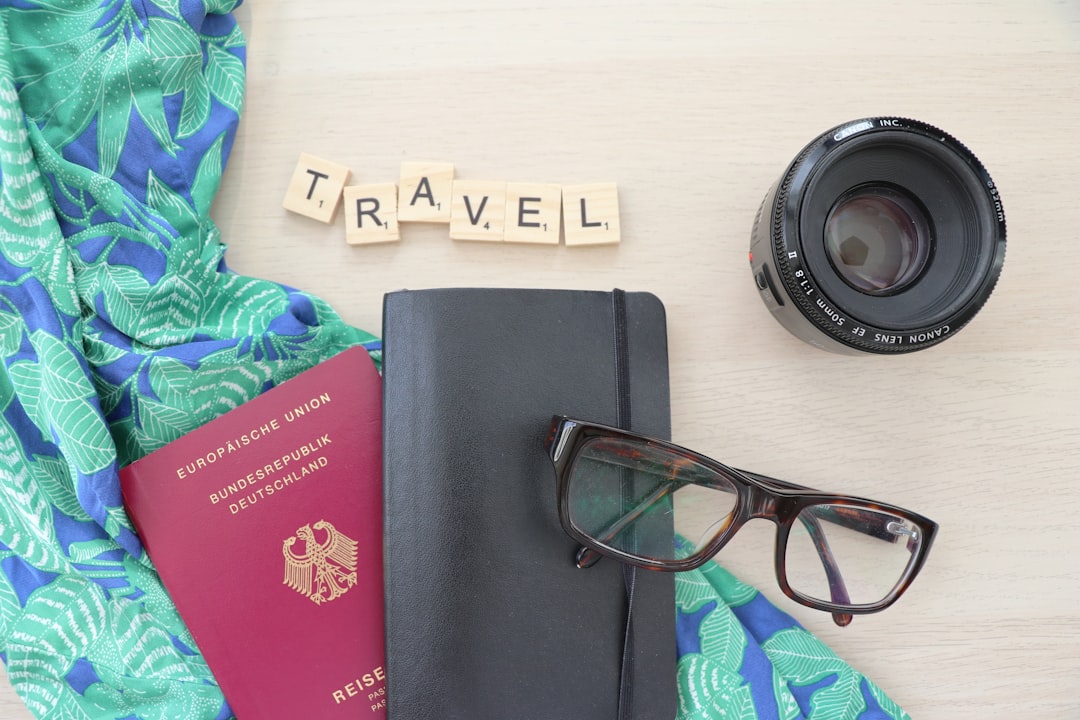
When I talk about slow travel planning tips, I am really talking about a different way to travel, one that gives a trip room to breathe instead of filling every hour with noise. I used to treat travel like a checklist. More flights, more sights, more reservations, more proof that I had made the most of the time. The result looked impressive on paper and felt exhausting in real life. I would come home with a camera roll full of landmarks and a strange sense that I had visited a place without ever living inside it.
Slow travel changes that. It does not ask you to do less just for the sake of doing less. It asks you to plan better so the trip has a shape you can actually enjoy. That means choosing a pace that suits you, a base that lowers friction, and days that leave space for wandering, bad weather, long lunches, or the kind of unexpected detour that becomes the best memory of the week. It also means being honest about your energy. A trip can be full without being packed.
What follows is the planning method I wish I had used years earlier. It is practical, flexible, and designed for real trips, not fantasy itineraries that only work if nothing goes wrong. If you like this kind of grounded travel advice, you may also enjoy browsing more ideas on Rod N Style.
slow travel planning tips for choosing the right pace
The first decision is not where to go. It is how fast you want the trip to feel. That sounds simple, but it changes everything. A four-night city break can feel generous if you stay in one neighborhood, take one major outing per day, and accept that some of the best moments will be ordinary. The same four nights can feel cramped if you try to force six districts, three museums, two day trips, and dinner reservations that make you rush across town at 7 p.m.
I like to decide the pace before I decide the places. Do I want a restorative week with long mornings and one meaningful outing each day? Do I want a compact trip with a lot of energy but no wasted motion? Do I want a hybrid, where two days are active and the rest are soft and open? When I choose the pace first, the rest of the plan becomes easier. I stop trying to make every destination behave like a different version of the same ideal trip.
A good pace also depends on who is traveling. A solo trip can carry more freedom. A trip with children, older relatives, or friends who like different rhythms needs more buffering. The biggest planning mistake I see, including in my own past trips, is assuming that everyone wants the same amount of movement. They do not. One person may want to see every church on the map. Another may just want a good coffee, a long walk, and enough time to sit without feeling guilty.
Before booking anything, ask these questions:
- How many activities can I enjoy in one day without feeling rushed?
- How much transit am I willing to do before it starts shaping the trip?
- What kind of days leave me feeling more alive instead of more drained?
- Where do I naturally want to slow down, morning, afternoon, or evening?
Those answers are more useful than a dozen generic itinerary templates. Once the pace is clear, your trip stops being a race against the calendar and starts becoming an experience with texture.
Start with the number of nights, not the number of sights
One of the most helpful shifts I ever made was to build trips around nights instead of sights. Sight-count planning is deceptive. It makes you believe the problem is not enough ambition. In reality, the problem is usually compression. If you have five nights and you try to cover five major attractions, you have probably overpromised yourself before the plane even takes off.
When I plan by nights, I can see the real shape of the trip. One arrival day is usually half a day at best. One departure day disappears faster than you think. If you are changing hotels, crossing borders, or taking a train, that movement takes more energy than a map ever shows. Once I started accounting for this honestly, I became far less likely to squeeze too much into a trip and far more likely to enjoy the time I already had.
A simple method works well. Write down the number of full days you actually have on the ground. Then subtract the days that will be partly consumed by arrivals, departures, or long transfers. The remaining days are your planning canvas. For each of those days, give yourself one anchor experience, one possible extra, and one optional rest block. That structure keeps the trip from collapsing into chaos.
For example, a six-night stay in Rome might look more like this:
- Day 1, arrival, easy dinner, neighborhood walk
- Day 2, major sight in the morning, long lunch, free evening
- Day 3, slower neighborhood day with one museum and a café stop
- Day 4, open day for a market, a park, or a train ride to a nearby town
- Day 5, one final highlight and a relaxed farewell dinner
- Day 6, departure
The key is not to reduce the trip. It is to make the trip legible. When each day has a clear purpose, the whole thing feels calmer. You are not constantly wondering what you forgot to see, because you already designed the trip around what mattered most.
Build each day around one anchor and one loose idea
If I could give only one rule for making a slow trip work, it would be this. Give each day one anchor and one loose idea. The anchor is the thing you care enough about to protect. The loose idea is the optional layer that gives the day a little extra shape without turning it into a military operation.
The anchor might be a museum, a coastline walk, a cooking class, a ferry ride, a famous neighborhood, or simply a beautiful lunch in a place you have wanted to try. The loose idea might be a second stop nearby, a scenic detour, a favorite bakery, or a long route home that lets you pass through a different part of the city. That second piece matters because it gives the day movement without pressure.
What I try to avoid is the all-or-nothing itinerary. That is the kind where you either do everything or feel like the day has failed. Slow travel works better when the day can still feel successful after a change of plans. If rain closes the outdoor market, the day is not ruined if the lunch reservation still matters. If the gallery line is too long, the day is not lost if the neighborhood walk and café stop are good. You need enough structure to guide the day, but not so much that one obstacle breaks the mood.
Anchors also help with decision fatigue. I do not want to wake up on vacation and spend forty minutes debating ten options. I want to know the shape of the day before the first coffee finishes cooling. That does not mean every hour is fixed. It means the important part is already decided, which frees the rest of the day to unfold naturally.
A helpful test is to ask whether each planned item adds one of these qualities:
- meaning, because it connects me to the place
- ease, because it reduces friction or stress
- delight, because it brings something unexpected or joyful
- rest, because it helps me stay present
If an item does none of those things, I usually remove it. A slower trip is not empty. It is selective.
Choose a base that reduces friction
Where you stay shapes how a trip feels more than most people expect. A good base can make a city feel walkable, intuitive, and almost personal. A poor base can turn even a beautiful destination into a daily commute. That is why I spend a lot of time thinking about the base before I book anything else.
For slow travel, I usually prefer a location that sits close to the rhythms I care about most. If I want café mornings and evening strolls, I stay in a neighborhood with those things nearby. If I plan to use trains a lot, I may stay close to the station, but not so close that the area feels noisy or awkward at night. If I know I will want markets, parks, and good food within easy reach, I choose those over an extra square foot of room or a slightly cheaper rate farther out.
The goal is not luxury in the abstract. The goal is fewer decisions. A well-placed base reduces transit time, shortens the distance between you and breakfast, and makes it easier to return for a nap, a shower, or a change of shoes. That kind of convenience changes the emotional tone of the whole trip. You do not feel stranded at the end of every outing. You feel anchored.
I also like to think about the neighborhood as part of the experience. Sometimes the best slow travel choice is not the famous central district, but a smaller area with real daily life. There is something special about stepping out in the morning and seeing residents buying fruit, dogs crossing the street, office workers grabbing coffee, and the city waking up around you. That texture is part of the trip. It gives you a sense of being somewhere rather than just passing through.
Before booking, I check a few things:
- Can I walk to at least a few useful places?
- Will I need a taxi every time I leave the room?
- Is the area active enough to feel easy, but not so active that it wears me out?
- Does this location fit the pace I want, not just the budget I have?
If I answer those honestly, I usually make a better choice. Slow travel is easier when your base works with your energy instead of against it.
Plan for comfort without turning the trip into a spreadsheet
Comfort matters, but it is easy to overplan it. I have seen travelers treat comfort like a set of widgets to optimize instead of a condition to support. They research every café, compare every transport option, and try to eliminate all uncertainty. The result is often more stress, not less. The trick is to plan just enough comfort to make the trip feel gentle, while leaving enough room for spontaneity.
For me, comfort planning usually comes down to a few practical moves. I identify where I might get tired, hungry, cold, or annoyed, and I build in soft edges around those moments. That might mean choosing a restaurant near the museum instead of across town. It might mean leaving a ninety-minute gap between a walking tour and dinner. It might mean knowing where I can buy water, sit down, or take a short break without having to think about it in the moment.
This kind of planning is useful because it supports the trip without dominating it. You do not need every meal scheduled. You do not need every hour accounted for. But you do want a few reliable anchors: a comfortable arrival plan, a solid first meal, an easy way home at night, and perhaps one or two backup options for days when energy runs lower than expected.
A useful way to think about comfort is to separate it into three layers. First is physical comfort, which includes sleep, shoes, weather, hydration, and rest. Second is logistical comfort, which includes transport, tickets, timing, and location. Third is emotional comfort, which includes the feeling that you are not behind, not overbooked, and not constantly making high-stakes choices. Slow travel works when all three layers are respected.
If I want a trip to feel calm, I ask myself:
- Where will I need recovery time?
- What tasks are better handled before I travel?
- Which reservation actually helps, and which one just makes me feel busy?
- What would make the day easier if the weather changed?
Planning comfort in this way is not about removing surprise. It is about making sure the surprise does not become the whole story.
Pack for movement, weather, and small surprises
Packing is one of the easiest places to overcomplicate slow travel. People imagine that careful packing means bringing more things just in case. I think it means bringing fewer things that do more work. The right bag makes the whole trip feel lighter. The wrong bag makes every staircase, platform, and check-in desk feel slightly annoying.
My general rule is to pack for the trip I have, not the one I fantasize about. If I know I will walk a lot, I choose shoes that I have already broken in. If I know the weather might shift, I layer instead of stuffing the suitcase. If I expect a mix of city walking and longer meals, I pack clothes that can move from daytime to evening without a full change. That sounds simple, but it saves a surprising amount of mental friction.
Small surprises are part of every trip. A late train. A sudden rain shower. A colder evening than forecast. A café with no sockets. A plan that takes longer than expected. If I have packed with those things in mind, I remain flexible. If I have packed as though every day will be perfect, I spend more time adapting than enjoying.
I also like to keep one small bag within the bag, a kind of daily kit. It holds the things I reach for constantly: charger, lip balm, tissues, wallet, water bottle, maybe a notebook, maybe a book. That way I do not have to repack my life every time I leave the room. The goal is not minimalism as a performance. The goal is reducing the number of little annoyances that build up across a week.
Here is the packing logic I return to again and again:
- bring one fewer pair of shoes than you think you need
- choose clothing that layers easily
- keep essentials easy to reach
- leave room in the bag for something you buy or carry back
- pack for a realistic range of weather, not the most optimistic forecast
Packing light is not about proving anything. It is about making motion easier, and motion is a large part of how travel feels.
Let local rhythms shape your schedule
One of the best parts of slow travel is noticing that places have their own internal clock. Cities wake up differently. Neighborhoods eat at different times. Markets, ferries, galleries, and small shops all move to rhythms that can either support your trip or fight it. When I plan around local rhythms instead of my home routine, the trip feels more alive.
In some places, mornings are the best time to move around. Streets are quieter, light is softer, and the city feels open. In others, mornings are for sleeping late and the energy arrives after lunch. Some neighborhoods empty out in the afternoon and return in the evening. Some places close early enough that late planning is pointless. Once you learn the rhythm, the trip becomes easier to read.
This is where a little research helps, but not the kind that turns into obsession. I usually look at opening hours, transit frequency, meal times, and whether certain areas are more active at a specific part of the day. If I am staying in a place where lunch is the main meal, I do not schedule a demanding activity right before it. If a town becomes quiet after sunset, I do not plan a late return that requires too much guesswork.
Local rhythm also changes the kind of experiences worth prioritizing. A market at 8 a.m. can be far more interesting than the same market at 1 p.m. A viewpoint at sunset may be worth more than the same place in the middle of the day. A neighborhood café can reveal a lot if you sit there long enough to notice the repeat customers and the regular flow of people. Slow travel gives you time to notice these details, which is one of its real rewards.
I try to build this into the itinerary with one question. What does this place do best at this time of day? That question is better than asking what I can fit in. It pushes the trip toward relevance instead of quantity. You start matching your day to the place, rather than forcing the place to fit a generic schedule.
When that happens, the trip feels less like tourism and more like participation.
Use technology without letting it run the trip
Technology is helpful when it lowers friction and unhelpful when it turns the trip into a live dashboard. I rely on maps, transit apps, translated menus, saved confirmations, and weather alerts, but I try not to let my phone become the center of the experience. Slow travel needs support, not surveillance.
The best way I have found to use technology well is to separate planning tools from presence tools. Planning tools help me prepare. Presence tools help me enjoy the day once it starts. The difference matters. If I am constantly checking three apps to make sure the plan is still perfect, I am not really traveling slowly. I am still managing risk minute by minute.
So I front-load the useful stuff. I save confirmations, addresses, and important tickets in a place I can reach offline if needed. I check transit options before I leave. I download maps. I translate a few phrases or note down menu items that will help. Then I put the phone away more often than not. The idea is to reduce uncertainty, not to keep looking for new uncertainty to eliminate.
Technology can also help with pacing. A digital calendar can show whether a day is overloaded before it starts. A reminders app can keep one or two anchor reservations visible. A weather app can help me move a walk earlier or later. But if I start using every available tool, the trip begins to feel managed by software rather than shaped by experience.
My rule is simple. If a tool helps me be more relaxed, I keep it. If a tool makes me check my phone every ten minutes, I cut it back. Slow travel planning tips are not anti-technology. They are pro-attention. Technology should keep the trip easier to live, not harder to inhabit.
A practical slow travel planning checklist
When I want to turn all of this into something usable, I go back to a simple checklist. Not because a checklist is glamorous, but because it keeps me honest. Planning can become abstract very quickly. A checklist forces the abstract parts back into action.
Here is the version I use most often before a trip:
- Choose the pace before choosing the sights
- Count usable days, not just nights on paper
- Give each day one anchor and one loose idea
- Pick a base that lowers transit and decision fatigue
- Book only the comfort pieces that truly matter
- Pack light enough to move easily
- Check local rhythms for meals, opening hours, and quiet times
- Save confirmations and maps before leaving
- Leave at least one open block in the itinerary each day
- Build in recovery time after long transfers or late nights
I like this list because it is practical without being rigid. It protects the trip from becoming chaotic, but it still leaves room for a random bookstore, a long lunch, a missed turn, or a train platform conversation that sends the afternoon in a better direction. That last part is important. Slow travel planning is not supposed to erase surprise. It is supposed to make surprise usable.
If a trip already feels overwhelming, I trim it using the same checklist. I look for the parts that create friction without adding much value. I cut one movement day. I remove one extra reservation. I switch one hotel to a better location. I turn one heavily scheduled afternoon into an open block. Small changes often create more relief than dramatic ones.
The checklist is not the destination. It is the tool that makes the destination easier to enjoy.
What to do after the trip so the next one feels easier
The trip does not end when you get home. If you want your next journey to feel calmer, take a few minutes to notice what worked. I used to ignore this part, which meant I kept repeating the same mistakes. Now I spend a short time after each trip writing down what made the experience smoother and what created unnecessary friction.
I usually ask myself five things. Which day felt best and why? Where did I feel rushed? Which booking was genuinely useful? Which one could I have skipped? What would I keep exactly the same next time? The answers are surprisingly specific. Maybe I realize that a certain neighborhood made the whole trip better. Maybe I learn that I do not enjoy more than one major outing before lunch. Maybe I notice that buying tickets in advance for one thing was worth it, while booking three restaurants ahead of time was not.
This reflection is useful because it turns a trip into a better template, not just a memory. Slow travel gets easier when you know your own patterns. Some people need more solitude. Some need more movement. Some travel best with a loose structure and one firm anchor each day. Some need a little more comfort than they expected. The point is not to copy someone else’s ideal. It is to recognize your own.
If you keep a note after each trip, that note becomes a private travel manual. It might include the neighborhoods you loved, the transit situations you want to avoid, the kinds of rooms you prefer, the meals that felt right, and the pacing that left you feeling restored instead of wrung out. Over time, this matters more than any perfect itinerary.
That is the part of slow travel planning I trust most. It improves not just one trip, but the way future trips begin.
And once you start building from that place, travel stops feeling like a test. It starts feeling like a rhythm you can return to.