The best time of year to travel to new york is spring (April–May) and fall (September–October) for mild weather, comfortable walking, and the city’s parks at their prettiest.
If you want lower prices and shorter lines, target January through early March; for holiday sparkle, late November–December is unforgettable, but you’ll face peak crowds and some of the highest hotel rates of the year. A useful nuance: June often feels easier than late July–August, which are hotter, more humid, and busier.
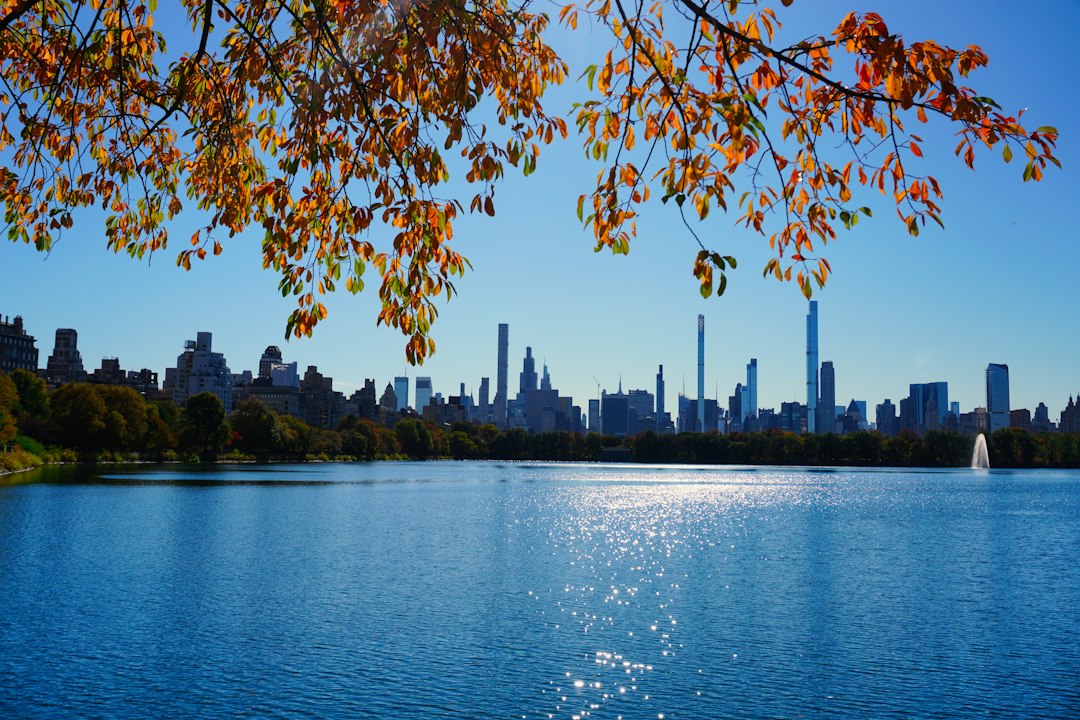
The best time of year to travel to New York: quick answer and cheat sheet
Here’s the short version you can plan around. Go in April–May or September–October if you want balanced temperatures, long-ish days, and easy sightseeing. If value matters more than weather, the deep-winter lull (early January through early March) will stretch your budget. For holiday lights and markets, late November through New Year’s is magical—but lines and prices jump.
- Best overall: April–May, September–October
- Cheapest: January–early March
- Festive season: late November–December (busy and pricey)
- Summer trade-off: June is the most comfortable summer month; late July–August is hottest and most humid
- Daylight matters: NYC has ~15 hours of daylight in late May–July versus ~9 hours in December–January—more sunlight equals more time to walk, photograph, and stack sights in one day
Price-surge calendar to avoid or target if you care about crowds and costs:
- Late June: NYC Pride (parade weekend surges)
- Early September: Fashion Week + US Open + UN General Assembly (Manhattan rates spike)
- Early November: NYC Marathon (Marathon weekend surges)
- Thanksgiving week: Macy’s Parade draws huge crowds
- Christmas to New Year’s: the annual high-price, high-crowd week
Micro-windows that maximize comfort and value:
- Week after New Year’s to early February: lowest hotel rates, excellent for museums
- Late April to mid-May: first-timer sweet spot with blossoms and walkable temps
- Early June: summery vibe without late-July humidity
- First half of November (before Marathon/Thanksgiving): cool, fairly priced, and calm
- Mid–late October: peak foliage in parks, beautiful for photographers
NYC by month at a glance
| Month | Avg High/Low (°F) | Rain/Snow days | Daylight hours | Humidity/Heat feel | Crowd level (1–5) | Hotel price index (1–5) | Notable surges | Best for |
|---|---|---|---|---|---|---|---|---|
| January | 39/26 | ~9 (snow/rain mix) | ~9.6 h | Dry cold | 1–2 | 1 | Post-holiday lull | Budget travelers, museum fans |
| February | 42/28 | ~8 | ~10.7 h | Chilly, variable | 2 | 1–2 | Winter Restaurant Weeks vary | Deals + indoor culture |
| March | 50/35 | ~10 | ~12.0 h | Cool, breezy | 2–3 | 2 | Spring breaks (late month) | Lower costs, longer days |
| April | 61/45 | ~10 | ~13.4 h | Mild, occasional rain | 3–4 | 4 | Cherry blossoms in parks | Walkers, first-timers |
| May | 71/55 | ~10 | ~14.6 h | Mild to warm | 4 | 4–5 | Memorial Day weekend | Outdoor dining, parks |
| June | 79/64 | ~9 | ~15.0 h | Warm, manageable humidity | 4–5 | 4 | Pride weekend (late month) | Events, rooftops |
| July | 84/69 | ~9 | ~14.8 h | Hot, humid; higher heat index | 5 | 4 | July 4th week | Summer energy, fireworks |
| August | 83/69 | ~8 | ~13.9 h | Very humid | 4–5 | 3–4 | Late Aug quieter pre-September | Free outdoor events |
| September | 76/61 | ~7 | ~12.5 h | Pleasant, drier | 4 | 5 | Fashion Week, US Open, UNGA | Perfect walks, patios |
| October | 64/50 | ~7 | ~11.2 h | Crisp, low humidity | 5 | 5 | Peak foliage late month | Photographers, foodies |
| November | 54/42 | ~8 | ~10.0 h | Cool | 3–5 | 3 early → 5 late | NYC Marathon, Thanksgiving | Early Nov value seekers |
| December | 44/32 | ~9 | ~9.3 h | Cold, festive | 5 | 5 | Christmas–New Year’s | Holiday lovers |
New York’s seasons at a glance: weather, feel, pros and cons
Spring (April–May): You get blooming cherry trees, cool mornings, and comfortable afternoons. It’s easy to walk miles without overheating. Expect some rain and changeable temperatures—pack a light shell and layers. Spring allergies can flare with tree pollen, so plan indoor-heavy days if you’re sensitive.
Summer (June–August): Daylight is long, rooftops are open, and free concerts and movie nights pop up across the city. The trade-off is heat and humidity, especially late July–August. Air-conditioned museums, matinee shows, and early-morning walks help. Prices and crowds are at or near peak.
Fall (September–October): Crisp air returns, humidity drops, and parks glow with foliage by mid–late October. Sidewalk dining and long neighborhood walks are a joy. These months are popular, which means higher hotel rates and sold-out weekends—book ahead.
Winter (November–March): November and December feel festive with markets, ice rinks, and lights—but also big crowds and premium prices. January and February are the opposite: quiet museums, short lines, and the best deals if you don’t mind the cold and earlier sunsets. March is a shoulder month that mixes lingering chill with longer days.
Seasonal breakdown with monthly highlights
Late winter to early spring (February–March): This is the value window. Airfare and hotels are often cheapest, and you can move through museum favorites in half the time. Expect occasional snow or rain and some windy days. Use longer March daylight to fit more into each day, and keep a flexible plan in case of weather pivots.
Peak spring (April–May): Ideal for first-time visitors who plan to sightsee mostly on foot. Branches leaf out, cherry blossoms bloom in spots like Central Park and Brooklyn Botanic Garden, and outdoor dining comes back. Temperatures are mild to warm with the odd rainy spell—bring layers and a compact umbrella. These months are popular, so book hotels 8–12 weeks out and reserve timed-entry for top sights.
Summer (June–August): If you like energy and events, this is your season. Choose June for the best balance of warmth and manageable humidity. July–August are hottest and feel muggy—plan early starts, shaded breaks, and indoor afternoons. Expect many free concerts, movie nights, and street fairs. Crowds swell around July 4th and weekends.
Fall (September–November): September is pleasant but busy around Fashion Week, the US Open, and UN General Assembly. October brings peak foliage and perfect walking weather, which drives higher rates. Early November is undervalued—cool, calmer, and often fairly priced—until Marathon weekend and Thanksgiving week surge demand.
December holidays: Come only if you accept long lines and premium pricing. The tree at Rockefeller Center, Fifth Avenue windows, and Christmas markets are beautiful, and ice skating rinks are open. To move faster, book timed entries, go early in the morning, and favor weekday visits.
Prices, crowds, and when to book
Hotel and airfare trends track school calendars, major events, and holidays. Weekends often cost more than weeknights, and big conventions or sports events push prices in specific neighborhoods. As a rule of thumb, book spring/fall 8–12 weeks out, summer 6–10 weeks, holidays 3–5 months, and winter deals 2–6 weeks (sometimes less).
Stay strategies that protect your budget:
- Be flexible by a day or two. Shifting your arrival from Thursday to Sunday or Monday can trim hundreds of dollars over several nights.
- Focus on midweek stays. Tuesday–Thursday nights tend to be cheaper than weekends in central Manhattan.
- Lock a refundable rate, then track prices. If rates dip, rebook the same hotel.
- Use timed-entry at busy attractions (e.g., popular observatories, major museums) and favor early openings or late-night hours to reduce waiting.
- Dine in neighborhoods where locals eat rather than near flagship sights; you’ll spend less and enjoy better variety.
If you prefer a calmer pace and deeper neighborhood time, consider slow-travel planning. These guides can help you structure a trip with fewer moves and more meaningful time in each area: slow travel itinerary planning guide and practical slow travel planning tips.
Events that change everything (use this to plan or avoid)
Some weeks draw global attention and move hotel prices citywide, especially in Midtown and around event hubs.
- Late June Pride: Parade weekend crowds fill central corridors; book early if you want to attend.
- Early September cluster: New York Fashion Week, the US Open in Queens, and the UN General Assembly push Midtown and East Side rates up.
- Early November NYC Marathon: Marathon weekend surges, especially near Central Park and Midtown West.
- Thanksgiving week: The parade and holiday kickoffs attract families; hotel rates and dining reservations tighten.
- Christmas markets, Rockefeller Tree lighting, New Year’s Eve: The classic holiday weeks—very busy, very expensive.
- Broadway openings and museum blockbusters: Limited runs and buzz-worthy exhibits can nudge demand around Times Square, the Theater District, and on the Upper East Side.
- Sports playoffs: If local teams make deep runs, expect neighborhood-level surges near arenas.
To stay ahead, monitor venue calendars and sign up for alerts. If your dates are fixed, book lodgings before major announcements when possible.
What the weather really feels like and what to pack
Heat and humidity: July–August highs in the low to mid-80s can feel hotter due to humidity and sun reflecting off buildings. Plan early walks, shaded parks at midday, and indoor afternoons. Hydrate and wear breathable fabrics.
Wind and chill: In January–February, a 35°F day can feel colder with wind between avenues. Warm layers, hats, and gloves make outdoor time far more comfortable. You can still do plenty—just bundle up and favor indoor-heavy itineraries.
Shoulder-season swings: April and October are usually comfortable, but mornings and evenings can be cool. Layers let you adapt without returning to your hotel.
Rain and snow: New York gets steady precipitation year-round. Snow is most likely January–February, and rain can show up in any month. Good footwear matters far more than a heavy coat—choose waterproof shoes or boots that still work for long walks.
Allergies: Tree pollen peaks in spring. If you’re sensitive, schedule big outdoor days after rain when air feels clearer, and shift to museums and shows on high-pollen days.
Packing quick list by season
- Spring: Light waterproof shell, layers, compact umbrella, comfortable waterproof shoes.
- Summer: Breathable clothing, sunhat, refillable water bottle, light rain layer.
- Fall: Layerable tops, light sweater or fleece, water-resistant shoes, daypack.
- Winter: Warm coat, hat, gloves, scarf, insulated waterproof boots, moisture-wicking base layer.
If you care about footprint as much as comfort, these ideas make planning easier and greener: eco-conscious travel tips.
Sample budgets and smart savings by season
Here are realistic mid-range daily cost ranges per person (sharing a room), then sample totals for 3-day and 5-day trips. Your choices matter most: staying in central Manhattan and booking last minute during a surge week will cost more; choosing midweek dates, staying in Long Island City or Downtown Brooklyn, and booking ahead will cost less.
| Season | Typical hotel (nightly, mid-range) | Daily food | Local transport | Attractions (per day) | Daily total | 3-day total | 5-day total | Ways to lower costs |
|---|---|---|---|---|---|---|---|---|
| Winter (Jan–early Mar) | $140–$220 | $40–$60 | $8–$12 | $25–$45 | $213–$337 | $639–$1,011 | $1,065–$1,685 | Travel midweek, use 7‑day MetroCard if staying 5+ days, free museum nights |
| Spring (Apr–May) | $280–$420 | $50–$75 | $8–$12 | $35–$60 | $373–$567 | $1,119–$1,701 | $1,865–$2,835 | Book 8–12 weeks out, eat neighborhood lunches, consider CityPASS/Explorer if you’ll hit many sights |
| Summer (Jun–Aug) | $220–$360 | $50–$75 | $8–$12 | $30–$55 | $308–$502 | $924–$1,506 | $1,540–$2,510 | Pick early June, stack free events, matinee Broadway or rush/lotteries |
| Fall (Sept–Oct) | $300–$450 | $55–$80 | $8–$12 | $35–$60 | $398–$602 | $1,194–$1,806 | $1,990–$3,010 | Avoid UNGA/Fashion Week dates, book early, stay Sun–Thu |
| Holidays (late Nov–Dec) | $350–$600 | $55–$85 | $8–$12 | $35–$60 | $448–$757 | $1,344–$2,271 | $2,240–$3,785 | Choose early Dec weekdays, reserve timed entries, dine off main corridors |
Notes:
- Hotel ranges reflect typical mid-range rooms before tax. City and state taxes add roughly 14–15% plus a small nightly fee.
- Transport assumes a couple of subway rides a day. For five days or more, the 7‑day unlimited MetroCard can be worthwhile.
- Attractions spending varies widely. Many museums have pay-what-you-wish windows; observation decks and special exhibits cost more.
Save even more with simple switches: subway over rideshares for most trips, prix-fixe lunches at good restaurants, and museum free hours. If you prefer a slower, less scheduled trip that still feels rich, build space into your plan using this framework: how to plan trips that feel restful.
FAQs about timing your NYC trip
Is $1000 enough for 3 days in New York?
It can be, with choices. Using the winter ranges above, three nights could land around $639–$1,011 per person excluding flights if you share a room, ride the subway, and mix free or low-cost sights with one or two paid highlights. In spring or fall, $1000 for three nights is tight but still possible if you target midweek, pick a well-rated budget hotel in Queens or Brooklyn with easy subway access, and keep dining modest.
Is $2000 enough for 5 days in New York?
Yes for most seasons, if you plan. In summer or shoulder months, $1,540–$2,510 per person (sharing a room) covers a mid-range hotel, daily meals, subway, and several paid attractions. In late November–December, $2000 for five nights requires careful date selection (early December weekdays), a mid-range hotel outside Midtown, and a tighter dining and Broadway plan.
How many days do you really need in New York?
For a first visit, 4–5 days gives you time for a few neighborhoods, a museum or two, a park day, and a show. With 7–8 days, you can slow down, see outer-borough gems, and add day trips. If you prefer a lighter, calmer pace, consider a 5‑day slow-travel plan anchored in two or three adjacent neighborhoods.
What is the cheapest month to visit New York?
January is typically the cheapest, followed by early February and parts of early March. The week after New Year’s often has the lowest hotel rates of the entire year.
Which month has the best weather in NYC?
Many travelers rank May and October as the best combo of temperature, daylight, and low humidity. June and September are also excellent if you’re okay with more crowds and occasional surges tied to events.
Whichever month you choose, align your pacing and planning style with how you like to travel. If you’re traveling solo and weighing destinations or travel styles, this overview may help spark ideas: destinations for solo travellers.