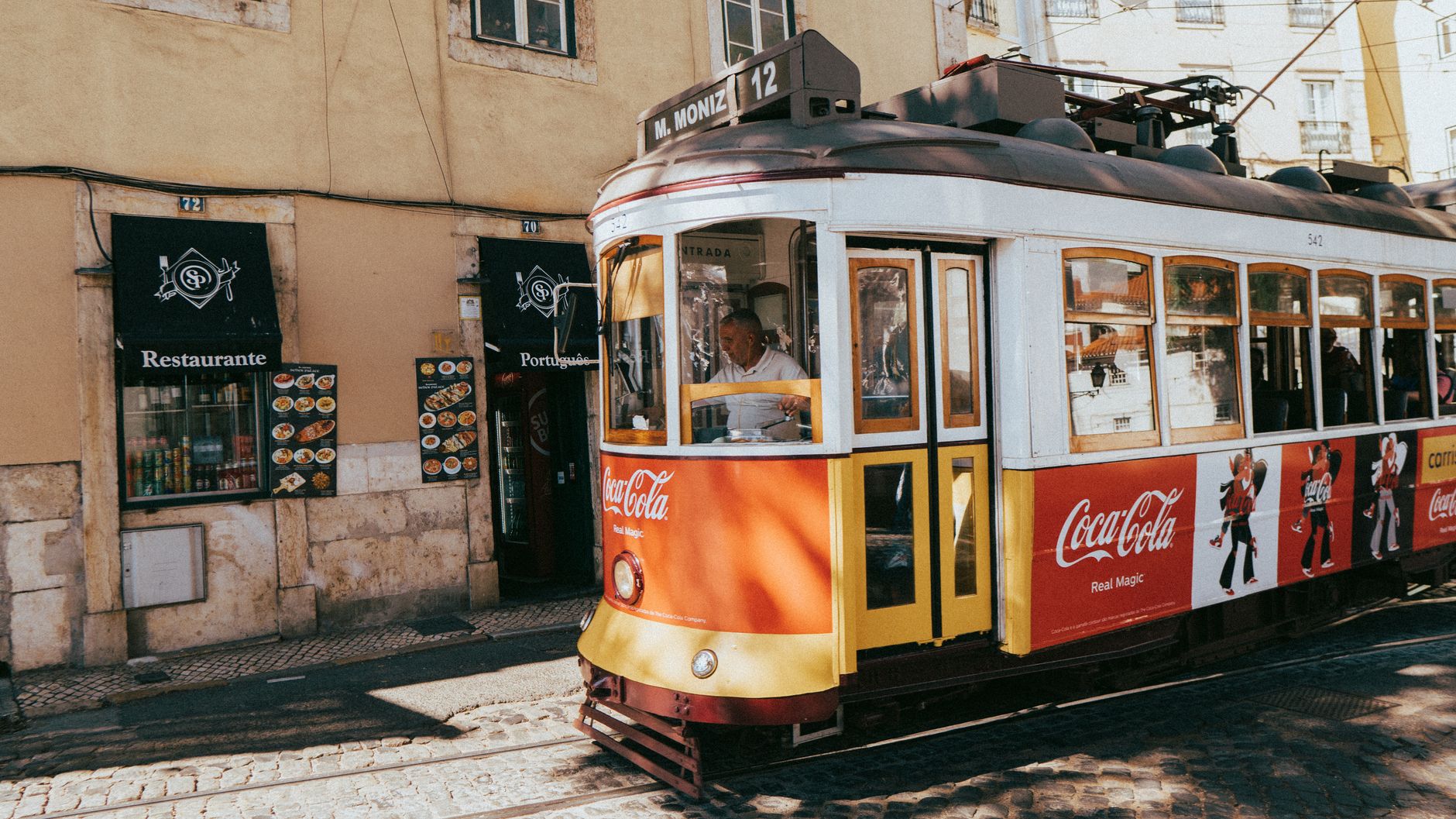
slow travel in Lisbon works best when I stop trying to turn the city into a scorecard. The first time I stayed longer than a few days, I noticed that Lisbon rewards attention more than speed. A tiled doorway, a late lunch, a tram that arrives when it feels like it, a hill that asks for a pause. That is the rhythm I want.
If you want a broader planning companion, I keep related notes in our lifestyle and travel hub. For this article, I want to stay with Lisbon itself and show how I would structure a calmer visit, one that feels full without feeling crowded. The goal is not to do less for the sake of doing less. The goal is to leave enough space so the city can actually register.
That changes nearly every decision. Where I sleep. When I eat. Which streets I walk twice. Whether I plan one day trip or three. Even the way I think about transport changes. In a rushed trip, the city becomes a list of landmarks. In a slower trip, it becomes a place with textures, habits, and little repeats that start to feel familiar.
slow travel in Lisbon starts with the neighborhood you choose
The easiest way to get more from Lisbon is not to pack more into the day. It is to choose a base that supports the pace you want. Lisbon looks compact on a map, but the hills, stairs, and mixed transport patterns change how a day feels. If I stay in the wrong place, I spend my mornings climbing out of it and my evenings hurrying back. If I stay in the right place, the city opens with much less friction.
When I think about neighborhoods, I do not ask which one is best in some abstract sense. I ask what kind of days I want. Baixa and Chiado are useful if I want central access and easy first impressions. I can reach major streets, the river, and several transport lines without much thinking. That is helpful for a short stay, but it can also feel busy late in the day. Alfama gives me atmosphere and old lanes, but I accept that I will move slowly and climb often. Príncipe Real feels calmer and a little more residential, with cafés and shops that invite lingering. Graça has views and a more lived-in feel. Campo de Ourique is good when I want a neighborhood rhythm instead of a tourist rhythm.
My own rule is simple. If I plan to walk a lot and keep the schedule loose, I pick a place with good daily basics nearby. A bakery. A small market. One lunch spot I trust. A metro stop or tram line within reach. That means I can start each day without hunting for breakfast or second-guessing the route. It also means I do not waste energy on tiny decisions before the day begins.
Here is how I compare the main options in practice.
- Baixa and Chiado work well if I want the simplest first-time orientation and easy access to several sights.
- Alfama fits a slower, scenic stay, but I plan around hills and narrow lanes.
- Príncipe Real is comfortable when I want cafés, boutiques, and a quieter evening rhythm.
- Graça gives me views and a neighborhood feel without being too polished.
- Campo de Ourique suits longer stays because daily life feels easier to settle into.
I also think about the noise pattern. Some streets feel lively in a way that is fun for one night and tiring for four. Others are calm at breakfast and still alive at dinner. For slow travel, I prefer the second kind. A quieter street does not make the trip dull. It makes the rest of the city easier to enjoy because I am not starting each morning already overstimulated.
If I were choosing for a first slower visit, I would probably look for a base that sits between convenience and calm. Close enough to move around easily. Far enough from the loudest streets to sleep well. That balance does more for the trip than any single view from the window.
A simple rule I use for slow travel in Lisbon
Once the base is settled, I build the day around one anchor. Not six. One. That anchor might be a museum in the morning, a long lunch near the river, or a late afternoon walk toward a viewpoint. Everything else stays flexible. This is the part that changes the trip most, because it gives the day a spine without locking every hour into place.
I like to think in three parts. A first movement. A middle pause. An evening that does not ask for much. If I have one meaningful thing in each section, the day feels complete. If I try to do more, I usually end up rushing the part that mattered. The city is not stingy with atmosphere, so I do not need to chase it everywhere.
For example, on a morning when I want history, I might start at São Jorge Castle or a small museum, then walk downhill through older streets, stop for coffee, and leave the afternoon open. On a different day, I might skip the headline attraction and let the anchor be a market, a ferry ride, or a long sit in a square. The point is not novelty. The point is shape.
I also protect my first hour. I do not like starting the day with transport stress or a packed route. I leave room for coffee, a map check, and a slow walk to the first stop. That tiny buffer matters. It keeps the day from feeling like a performance.
Here is a pattern that works well for me.
- Morning for the part of the city that needs focus or walking energy.
- Lunch as a pause, not something squeezed between tasks.
- Afternoon for wandering, views, or a shorter second stop.
- Evening for one neighborhood dinner and an unhurried return.
That structure gives me enough direction to avoid drift, but not so much that I feel trapped by my own plan. It also makes it easier to notice what Lisbon does well. The city has a way of rewarding pauses. A tile pattern in shade. Laundry on a line. A tram bell at the right moment. Those details are easy to miss when I am trying to tick off too many things.
So I try to build days that are light on transitions. Fewer back and forth trips. Fewer neighborhoods in a single day. Fewer times carrying my bag from one street to another. The reward is simple. I remember the city more clearly because I gave it room to stay in focus.
Food sets the pace more than most visitors expect
In Lisbon, food is not just a break between sights. It is part of the rhythm. If I eat quickly and move on, the day feels narrow. If I let meals stretch a little, the whole trip softens. This does not mean every meal has to be long or expensive. It means I stop treating food as a logistical problem and start treating it as part of the experience.
Breakfast can be simple. A coffee, a pastel de nata, maybe a sandwich if I know I will walk for hours. I do not need a heavy start. What matters more is where I sit and whether I am in a hurry. A small café with a counter, a side street bakery, or a quiet table near my base can set the tone for the whole morning.
Lunch is where I slow down more deliberately. I try to avoid the pattern of one fast bite followed by another sight. If I can, I pick a place that lets me stay for a while. A seafood lunch near the river. A small tascas-style place with a short menu and local regulars. A terrace when the weather is kind. The point is not luxury. The point is rhythm.
I also pay attention to timing. Early lunch hours can feel calmer. Late lunch can be nice if I am wandering. What I try to avoid is arriving hungry and impatient, because then any place feels like a compromise. A slower trip works better when I eat before I get tangled in it.
For dinner, I like neighborhoods more than famous spots. I want places that feel part of the streets I have already walked. That makes the day feel continuous rather than fragmented. If I have been in Príncipe Real all afternoon, dinner there keeps the story coherent. If I have spent time in Graça, I like staying nearby instead of crossing the city just to say I did.
A few food habits help keep the pace steady.
- I keep one list of lunch places near each neighborhood I plan to visit.
- I do not wait until I am exhausted to decide where to eat.
- I allow myself one longer meal each day if the schedule is open.
- I use snacks as insurance, not as a substitute for a proper pause.
- I leave room for a second coffee when the afternoon starts to drift.
Markets can help here too. I like using them for a light lunch, a pastry, or a quick look at local ingredients. That gives me a sense of how the city feeds itself beyond the polished restaurant list. It is another way of moving slowly. I am not just consuming a place. I am observing its everyday rhythm.
When I do that well, I notice something useful. The meals become memory anchors. I may not remember every museum room, but I remember the table where I sat long enough to watch the street settle in the afternoon heat. That is the kind of detail that stays with me after the trip.
Walking works best when I respect the hills
Lisbon invites walking, but it does not flatter careless walking. The hills are real. The sidewalks can be uneven. Some stretches are glorious for ten minutes and tiring after twenty. I learned quickly that the best way to enjoy the city on foot is to respect its shape instead of fighting it.
I plan routes with slope in mind. If I know I will climb in the morning, I try to keep the rest of the day gentler. If I want a scenic viewpoint, I think about whether I can reach it with fresh legs or whether it makes more sense after a tram ride. That small adjustment saves a lot of frustration. It also makes walking feel like part of the pleasure instead of a test.
Shoes matter more than I expected on my first visit. I do not need anything flashy. I need shoes I trust on stones, stairs, and long stretches. I also like carrying less. A heavy bag turns a pleasant walk into a chore faster than most people admit. A bottle, a small charger, a light layer, and the rest in a hotel or apartment usually feels enough.
My favorite Lisbon walks are not the longest ones. They are the ones that weave between useful stops. Coffee to viewpoint. Viewpoint to bakery. Bakery to square. Square to dinner. That way the walk has a reason, but not a deadline. I am moving because the city invites it, not because a route app tells me to collect steps.
A few practical choices help.
- Walk uphill when my energy is highest and downhill when I want to drift.
- Use trams or taxis to break up steep sections rather than forcing every climb.
- Keep one part of the day intentionally short so my legs can recover.
- Leave more time than I think I need between spots, because Lisbon often slows me down with details.
I also watch the time of day. Midday heat can make a walk feel much longer. Late afternoon and early evening are kinder. In the morning, streets are quieter and the city looks more local. In the evening, the light softens the tile and paint. Those are the hours when walking feels most rewarding to me.
The hills also improve the views. That is the trade. Lisbon asks for a little effort and gives me a city that opens in layers. If I accept that bargain, the walking becomes part of the story rather than a side note.
Trams, ferries, and trains are best used with a light hand
Transport in Lisbon can be simple if I do not overcomplicate it. The trick is to use each mode for what it does well. I walk for texture. I take the tram for atmosphere and short connections. I use the metro when I want efficiency. I take a ferry or train when the destination makes the ride part of the day.
The mistake I make most often in new cities is assuming I need to combine every option in one outing. In Lisbon, that only adds friction. I get more from transport when I keep it intentional. A tram ride can be a small experience. A ferry can become a pause with a view. A train to the coast can be the main event for a day, not just the way to get somewhere else.
I also try to avoid peak confusion. That means I check routes the night before if I know I will cross the city in the morning. It sounds minor, but it saves me from standing on a platform wondering if I am reading the map correctly before coffee. I prefer to be the person who already knows which line I want.
When I think about public transport, I focus on three questions. Is this the fastest way. Is this the most comfortable way. Is this the most memorable way. The answer is not always the same. If I am moving bags or crossing the city in the heat, speed matters. If I am moving between neighborhoods for a short hop, comfort may matter more. If I want the ride to be part of the memory, then I choose the option with the better view.
Some practical habits make a big difference.
- I keep a transit card or app ready before I leave my room.
- I avoid packing the day so tightly that one missed connection ruins it.
- I use transport to preserve energy, not to chase a higher number of stops.
- I accept that a short taxi ride can be worth it after a long hill day.
That last point matters. A slower trip does not mean I refuse convenience. It means I use convenience to protect the pace I want. A taxi from a dinner spot back to the base can be the right choice if it keeps the evening pleasant. A tram ride can be the right choice if I want the city to feel cinematic for ten minutes.
The more I travel this way, the less transport feels like a chore. It becomes part of the texture of the day. The tram bell, the river crossing, the walk from the station to the neighborhood café. Those are the connective tissues that give Lisbon its shape.
Day trips should fit the same rhythm as the city
Lisbon makes it easy to branch out, but I like to be selective. A day trip should not blow up the pace I built inside the city. It should extend it. If I leave Lisbon exhausted and return to my room feeling like I survived an expedition, the day trip was too much. If I come back with one clear memory and enough energy for dinner, that feels right.
Sintra is the obvious example. It is beautiful, yes, but it rewards planning. I do not go there with the vague idea of seeing everything. I go with one or two priorities. Maybe one palace and a long walk through the town. Maybe a garden, a late lunch, and a slow return. If I try to collect every major stop, the day becomes crowded fast.
Cascais works well when I want a coastal change of scene. It is easier to keep the mood light there. A promenade, a meal, a pause by the water. Setúbal can feel more grounded and less polished, which I like when I want a day that feels lived in rather than staged. Almada gives me a different angle on the river and city. Each option has a different tempo, and I choose based on the kind of energy I want when I get back.
My rule is to keep the day trip simple enough that it still leaves room for wandering. If I need a timetable for every twenty minutes, I am probably doing too much. If I can hold the plan in my head and still leave some unplanned time for a snack, a view, or a longer sit, then the trip is still breathing.
I also think about return time. A day trip feels better when I know I am coming back before the evening gets too late. That protects dinner, rest, and the next day. It sounds obvious, but it changes the whole experience. I am not trying to squeeze two full trips into one. I am letting one place have enough of my attention for a day.
A good day trip checklist is simple.
- One main reason for going.
- One meal I already have in mind.
- One backup plan if weather or timing shifts.
- One return window that leaves the evening open.
When I follow that logic, day trips feel like part of slow travel rather than a break from it. The city remains the base. The outing becomes an extension of the same calm rhythm.
A seven day plan keeps slow travel in Lisbon easy to follow
People sometimes ask me whether slower travel means no planning. I do not think so. It means planning a little better so the day can stay loose. A simple seven day outline helps me avoid decision fatigue without making the trip rigid. I can shift the details later, but I like having a frame.
Here is how I would sketch a week in Lisbon if I wanted the city to feel unhurried.
Day 1 is for arrival, a light neighborhood walk, and one easy dinner close to the base. I want almost no pressure on that day. Just a first look and a good sleep.
Day 2 is for central Lisbon. A museum or historic site in the morning, a café stop, and an afternoon walk that ends near the river or a square I can sit in.
Day 3 belongs to a neighborhood with character. Alfama, Graça, or another area with steep streets and old textures. I keep the schedule light because the walking itself is the experience.
Day 4 can be a food day. Market, lunch, pastry, coffee, and a slower afternoon. I like leaving one day in the middle without a major attraction at all.
Day 5 is a good day for a short excursion. Maybe a ferry crossing, maybe a coastal ride, maybe a half day outside the city if I feel ready.
Day 6 is for whatever I enjoyed most earlier in the week. If I loved the river, I return there. If I liked a specific neighborhood, I go back and let the familiarity deepen.
Day 7 should be soft. A final breakfast, one last walk, maybe souvenir shopping or a long coffee, then a calm departure plan.
This kind of schedule does a few useful things. It spaces out the high-energy days. It gives me one lighter day in the middle. It leaves room for repeat visits, which I think matter more than many first-time travelers realize. Going back to a square I already know changes my relationship with the city. I stop seeing it as new inventory and start seeing it as a place I can inhabit.
I also like having one built-in flexible day. If weather changes, if I get tired, or if I discover a neighborhood I did not expect to love, that spare space saves the trip from feeling brittle.
A slow week is not a week without structure. It is a week with enough structure to make room for mood, weather, appetite, and surprise.
Budgeting for a slower Lisbon trip looks different
Slowing down can change the budget in a few directions at once. I might spend more on a better location because it saves transport time and reduces daily friction. I might spend less on constant tickets because I am doing fewer paid attractions each day. I might spend a bit more on meals because I am sitting down longer. The point is not to cut every cost. The point is to spend where the pace improves the experience.
Accommodation is the best place to think carefully. A base with a slightly higher nightly rate can pay back in daily ease. If I can walk to coffee, get to the metro quickly, and sleep well, that is worth real money on a longer stay. I would rather cut one unnecessary excursion than stay in a place that drains me every morning.
Food budgeting also changes. I do not need every meal to be memorable. A mix works best. A modest breakfast, a good lunch, a simple dinner, and one nicer meal when the mood is right. That balance keeps the trip from feeling either cheap in the wrong places or overstuffed with reservations.
Transport costs can stay reasonable when I use walking for short connections and buy transit only when it saves energy or time. I do not need to collect tickets for the sake of it. A slower trip often means I can move more selectively.
If I stay longer, I also think about small practical costs that people skip over. Laundry, a charger, a reusable bottle, maybe a grocery stop for snacks. These are not exciting, but they help the trip stretch without feeling strained. A little everyday convenience can be the difference between calm and friction.
Here is how I would think about the budget categories.
- Spend more on location, sleep quality, and one or two meaningful meals.
- Spend moderately on transport, especially when it saves energy.
- Spend less on overbooked sightseeing and unnecessary transfers.
- Keep a buffer for the unplanned coffee, taxi, or museum that fits the mood.
The buffer matters because slow travel depends on flexibility. If every euro is assigned before I arrive, I end up making decisions by pressure rather than by mood. A little room in the budget keeps the trip open enough to respond to the city.
That is the part people overlook. Budgeting is not only about spending less. It is about making a calmer trip possible. If the numbers support the pace, the pace can support the memory.
The habits that keep the pace steady after booking
Once I have booked the trip, I try to protect the mood before I arrive. The way I prepare can either support slow travel or quietly sabotage it. If I spend the week before the trip collecting every possible attraction, I create a pressure to perform once I land. If I prepare lightly and clearly, I give myself a better chance of enjoying the city as it comes.
I start with a short list. A handful of neighborhoods. Two or three restaurants or cafés near the base. One or two sights I would genuinely regret missing. That is enough. I do not need a giant file. I need a small set of anchors that let me improvise without feeling lost.
I also keep practical details simple. Phone battery. Offline map. Weather check. A sense of how I want the first morning to feel. That last part matters more than it sounds. If I know I want a slow breakfast and an easy walk before anything else, I can resist the urge to rush.
Another habit that helps is leaving some days partially blank on purpose. Not every blank space needs to be filled before the trip begins. A slow week in Lisbon gets better when I allow the city to suggest a few choices after I arrive. Maybe I discover a quiet square. Maybe a bakery becomes a habit. Maybe a viewpoint looks better in the evening than I expected. I want room for that.
I also think about my arrival and departure days as part of the same rhythm. Arrival should be light. Departure should not become a frantic final sweep. If I keep those edges soft, the whole trip feels smoother. It is much easier to enjoy a city when the beginning and ending are not overloaded.
These are the pre-trip habits I rely on most.
- Save a small list of places, not a giant one.
- Check how neighborhoods connect before landing.
- Leave the first morning open enough to wander.
- Keep one or two meals unbooked so the day can breathe.
- Pack for walking, not for appearances alone.
I know that sounds plain, but plain is good here. Slow travel is often undone by overdesign. The less I try to control before I arrive, the easier it is to notice what Lisbon actually offers.
That is the habit I come back to most. Make the plan sturdy enough to support the trip, then stop tightening it. The city will handle the rest if I give it room.
The mistakes that make Lisbon feel rushed
There are a few mistakes I see again and again, and I have made most of them myself. The first is choosing too many neighborhoods in one day. Lisbon can handle movement, but too much hopping around makes the city feel fragmented. I end up remembering transfers instead of streets. That is a bad trade.
The second mistake is building a schedule around screenshots instead of geography. A place can look close on a map and still take more effort than expected because of hills, stairs, or transport connections. I learned to respect the real shape of the city instead of trusting a neat cluster of pins.
The third mistake is overbooking lunch and dinner. Too many reservations can create the feeling that I am racing from one obligation to the next. A slower trip improves when at least part of the day can respond to hunger and mood. One planned meal is enough for many days.
The fourth mistake is trying to see every famous viewpoint. The city has many, and not all of them need to be collected. A couple of good ones, revisited at the right time of day, usually give me more pleasure than a rushed series of ten.
The fifth mistake is assuming movement is free. It is not. Even in a compact city, repeated climbs, long transfers, and hot afternoons add up. I try to budget energy the same way I budget money. If I spend it all before lunch, the afternoon feels heavy.
I like using a simple filter before I add anything to the plan. Does this choice make the day easier to enjoy. Does it fit the neighborhood I already plan to be in. Will it still feel good if I arrive a little later than expected. If the answer is no, I usually do not add it.
Here is the checklist I use when a day starts to feel crowded.
- Can I remove one transfer.
- Can I keep lunch near where I already am.
- Can I limit the day to one major stop and one optional stop.
- Can I give myself a longer gap before dinner.
- Can I turn one rushed sight into a simple walk instead.
That kind of editing saves a trip. It keeps Lisbon from turning into a relay race. The city is better when I let it breathe between moments.
Slow travel is not about doing very little. It is about removing the parts that make the day feel jagged. When I do that, the city feels richer, not thinner.
What I would book before I go
If I were planning a calm Lisbon stay right now, I would keep the booking list tight. First, I would choose a base in a neighborhood that supports the pace I want, not just the cheapest rate or the most obvious address. Second, I would book one or two meals that really matter to me, especially if I know I want a certain place on a specific night. Third, I would decide on one day trip and leave the rest of the week open enough to respond to the city.
I would also save a few practical details in one note. Transit options from the airport. The coffee shop closest to the base. The nearest grocery or market. One evening walk route. That little bit of preparation reduces friction without taking away the sense of discovery.
If I wanted the trip to feel especially steady, I would arrive with three promises to myself. I would not try to see every district. I would not let meals become afterthoughts. I would not crowd the schedule just because the city looks easy on paper.
Those promises are simple, but they change everything. They keep the focus on rhythm, not inventory. They make room for repeat visits, quiet streets, and the kind of afternoon where nothing major happens and the day still feels complete.
That is why I keep returning to slow travel in Lisbon as a way of being there, not just a way of planning it. The city has enough detail to fill a week, but it gives me more when I let the details arrive at their own pace. The more patiently I move, the more clearly I notice the city has its own pace too.
That is the version of Lisbon I would rather carry home.