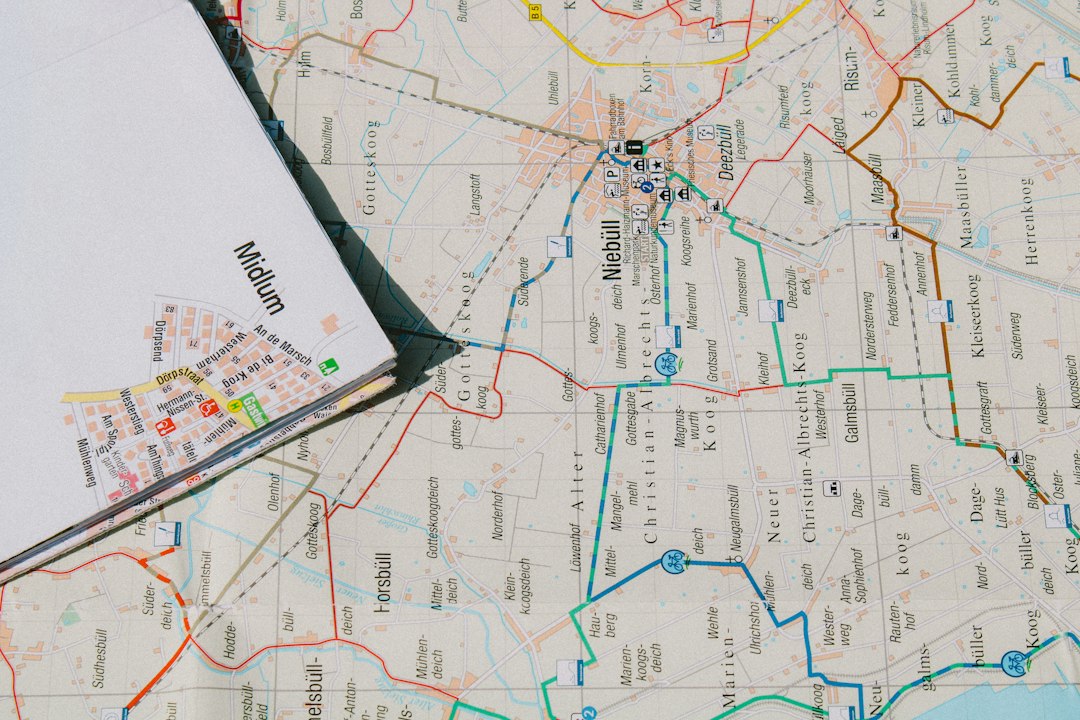
A slow travel itinerary favors depth over distance, trading rushed checklists for days with room to breathe. If you have ever returned from a trip feeling like you skimmed the surface, this guide shows how to build an unhurried plan that still covers your essentials. You will learn a rhythm for choosing bases, setting a daily pace, and using local transit so you spend more time in neighborhoods and less time hauling luggage. The aim is not to see less, but to see better—meeting places on their own terms, listening to local routines, and giving yourself enough margin that a rainy morning or a missed train becomes a small detour rather than a setback. The sections below walk through principles, step-by-step planning, budgets, stays, packing, culture, safety, digital tools, work-trip blends, and sample routes you can customize for your calendar and interests.
What slow travel really means
Slow travel is a design choice, not a speed limit. It means structuring time so you can pay attention: to the way the light falls in the same square from morning to evening, to the scents of a market as the day warms, to the conversations that begin only when you are not sprinting to the next landmark. The approach shifts your metrics of success. Instead of counting countries, you count conversations, bakery visits you returned to, and corners where you felt at home. You still see iconic sites, but you treat them as anchors in a wider fabric of ordinary life—bus routes, grocery runs, park benches, and local rhythms that make a place itself.
In practice, this mindset changes how you plan. You pick fewer bases and stay longer in each. You look for neighborhoods with walkability, transit, and a cluster of daily needs. You schedule one main activity per day and let the rest be optional. You handle logistics with care, protecting energy by avoiding too many transfers and by choosing move days that do not compete with big sightseeing plans. And you leave white space in your calendar because the best moments—an invitation to a community event, an unexpected view at sunset, a new friend’s recommendation—need oxygen to happen.
Slow also does not mean static. Some days you may cover many blocks, especially if a city invites wandering. Other days you may spend an afternoon with a single gallery or a quiet café and your journal. The key is to replace pressure with presence. When you remove the need to rush, you create room to notice.
Why this approach pays off
Choosing an unhurried pace yields outsized returns across money, energy, and memory. Financially, fewer base changes often mean lower transport costs and better weekly rates on apartments or guesthouses. You spend on experiences that matter to you, not on repeated transfers. With kitchens available, you can balance meals out with groceries and picnics. Those choices add up over a week or two, especially for couples or families.
Energy-wise, a calmer rhythm reduces decision fatigue. You do not need to solve a dozen logistics puzzles every day. When you give each day a single anchor activity, you lower the background hum of “what’s next” and increase your capacity to be fully present. If weather changes, you swap plans without unraveling the whole trip. If you need rest, you take it and still feel like the day belongs to the trip rather than the other way around.
Memory-wise, experiences stick. Slower days let your senses encode details: the sound of a particular tram line, the pattern of tiles at a neighborhood bakery, the cadence of greetings in a market. You become a short-term resident rather than a perpetual visitor, and the stories you bring home include names and routines, not just checklists. The result is often a stronger connection with place and a calmer return home, even when you packed plenty into your schedule.
How to build a slow travel itinerary step by step
There is no single formula, but a repeatable sequence keeps planning simple and flexible. Use these steps for any region, then adjust by season and interests.
- Write your one-sentence purpose. Examples: “Reconnect with my partner through food and walks,” “Practice my photography in small coastal towns,” or “Balance remote work and afternoon discovery.” This purpose filters choices.
- Choose one to three bases. For a week, one or two bases often suffice. For two weeks, two or three. Favor places with transit, groceries, parks, and day-trip options. Sketch a map to visualize distances.
- Set your daily anchors. Place one main activity per day—museum, hike, class, market, or performance. Add one or two optional “light” ideas nearby. The anchor guides the day without filling it to the brim.
- Block whitespace. Leave explicit blocks for naps, journaling, cafés, or neighborhood walks. This protects curiosity and guards against overcommitment.
- Thread logistics early. Check opening days, seasonal closures, and time-specific events. Note local holidays. If trains require seat reservations, book those once dates settle. Plan move days to be low-ambition days.
- Draft, then subtract. Delete at least one item per day. If it still feels full, cut again. A forgiving plan improves the actual trip.
- Keep a swap list. Maintain a short list of backups for weather shifts or low-energy days: covered markets, libraries, small museums, or a cinema with original-language screenings.
As you refine the plan, simple tools help: a shared note with day-by-day anchors, pinned map stars for your base, transit hubs, and groceries, and an offline folder with QR codes, tickets, and apartment instructions. The goal is to know enough to relax while still leaving room for surprise.
Find your pace: duration, bases, and move days
Right-sized pacing is the backbone of a calm trip. A useful rule is to change bases less often than you think and to make each move a designed part of the experience rather than a hurdle between highlights. Many travelers enjoy a 3-4-3 rhythm for a 10-day trip (three nights in base one, four in base two, three in base three). For a seven-night trip, two bases of three to four nights each often feel balanced. For long weekends, one base with short day trips keeps stress low.
Distance is not the only factor—consider the friction between places. A 90-minute regional train between city centers is easier than a 45-minute flight once you add airport transfers and security lines. Mountain roads can be slow. Ferries may run on leaner schedules off-season. If you must make a long move, build a buffer: travel midday, arrive with time for groceries and a short stroll, and keep the evening quiet. Treat the move like a chapter break.
Within a base, alternate energy days. After a long hike or a deep museum day, plan a lighter day—perhaps a market morning and a park afternoon. If you enjoy early mornings, visit popular sites when they open; then release the afternoon into wandering. If you are a night person, reverse: slow mornings, a midday anchor, and a concert or evening walk. Pacing is personal. The right plan is the one that lets you say “I remember how it felt to be there,” not just “I was there.”
Where to go: destination frameworks and seasonal fit
Slow travel thrives where the everyday is easy to access—places with sidewalks, transit, parks, and clusters of small businesses. That can mean compact cities, networks of well-connected towns, or rural areas with bike paths and a reliable bus. Think in frameworks rather than long lists. For example:
- Transit-first cities: Lisbon, Vienna, Seoul, or Melbourne—each offers trams or subways, parks, markets, and hillside or waterfront walks.
- Regional webs: Emilia-Romagna in Italy (Bologna, Modena, Parma, Ferrara), the Kansai region in Japan (Kyoto, Nara, Osaka), or the Basque Country (Donostia-San Sebastián, Bilbao, coastal towns), where day trips by train are easy.
- Nature clusters: Bavarian alpine towns, Portugal’s Alentejo coast, or New Zealand’s South Island, where short drives or buses connect beaches, trails, and villages.
Season changes the script. Summer may bring long evenings and festivals but also heat and crowds. Shoulder seasons (spring and autumn) often balance open attractions and gentler prices. Winter can be magical in cities with museums, cafés, and holiday markets, but rural buses or ferries might run less frequently and some restaurants may close midweek. Always check “closed days” for museums (often Monday) and for markets (certain weekdays). Look for weekly rhythms: in some countries, Sunday lunch is the heart of the week; in others, Thursday evenings are lively.
Use the region’s strengths to set your anchors. In food-strong areas, book a cooking class or a farm visit. In art hubs, choose one museum wing and savor it rather than trying to see everything. In wine regions, split a tasting day with a riverside walk so there is texture to the memory. The framework is not to do less, but to do what the place does best at a human scale.
Budget without stress
Slow days can align well with grounded budgets because you concentrate spending where it matters and avoid repeated transfer costs. Start by sketching a daily range in your currency that covers stays, food, local transit, and experiences. Then choose where you want to lean in and where to keep it simple. Many travelers find that allocating more to lodging (for comfort and location) can reduce daily friction and local transport costs, while balancing food between markets, bakeries, and a few special meals keeps both palate and wallet happy.
Practical tactics help:
- Weekly stays: Apartments and guesthouses often offer discounts for seven nights or more. A washing machine can cut packing and dry-cleaning costs.
- City cards or transit passes: If you will ride often, these can lower per-trip costs and reduce ticket stress. Do a quick tally before buying.
- Picnic culture: Markets and supermarkets make great breakfasts and park lunches. A small knife and cloth napkin elevate the ritual.
- Envelope view: Track only bigger items (stays, long-distance transport, pricier experiences). Let coffee and croissants be part of the flow.
Book cancellable rates while your plan is forming, then confirm once dates settle. Use a card with fair exchange rates and bring a small cash float for small vendors or rural buses. If a splurge appears—an opera ticket, a special tasting menu—trade a different day to keep balance. The aim is clarity, not constraint.
Stays and transport that support calm
Where you sleep and how you move determine the feel of your days. When choosing lodging, look for friction reducers: walkable location, quiet at night, windows that open, cross-ventilation or fans, a small kitchen, and a table for breakfast or a simple dinner. Read reviews for noise patterns (weekend nightlife, early garbage collection) and for water pressure and shower consistency—small details impact rest. In dense cities, a floor or two up from street level can be quieter. In rural areas, easy parking and proximity to a bus stop or bike path matter.
Between bases, trains often offer the most pleasant experience. You stay ground-level, avoid airport stress, and usually arrive at a central station. Regional buses can be equally comfortable and sometimes more scenic, especially along coasts or through mountains. If you rent a car, keep drives short where possible and choose stays with parking. Plan car-free days so the vehicle is not a burden and so you can walk, bus, or take a ferry. Ferries, funiculars, and trams can become highlights in their own right, giving new angles on the same city.
Inside a base, think like a neighbor: learn the bus or tram that takes you to a favorite park, buy a reloadable card, walk without agenda, and allow detours. A careful first day pays off. Buy staples (fruit, yogurt, tea, coffee, a few snacks), learn how your building’s doors and locks work, and identify your nearest grocery and pharmacy. Those small comforts give every following day a head start.
Packing light and the essential kit
Fewer items mean fewer decisions, lighter stairs, and less time repacking. A carry-on-sized bag and a personal item are enough for many trips, especially with access to a washing machine or a sink wash every few days. Aim for layers, neutrals that mix, and shoes that handle long walks.
Consider this lean checklist:
- Clothes: 2–3 tops, 2 bottoms, one warmer layer, a packable jacket, 1–2 scarves or accessories, and one outfit that feels slightly dressy but still comfortable in a casual restaurant.
- Footwear: One broken-in pair for long walks and one lighter pair for evenings or indoor spaces. If hiking, add dedicated trail shoes.
- Organization: Two packing cubes, a small laundry kit (detergent sheets, drain plug, portable line), and a lightweight tote for markets.
- On-the-go tools: Universal adapter, compact power strip, short and long charging cables, phone lanyard or wrist strap, and a small crossbody bag.
- Comfort and weather: Compact umbrella, sun hat, refillable water bottle, sunglasses, and a small first-aid pouch with basics you personally use.
Some travelers like to bring a tiny food kit: a folding spork, a small knife (in checked luggage if flying), and a cloth napkin. These make market picnics easier and reduce disposables. If you are tempted to add “just in case” items, apply the stair test: imagine carrying them up two flights. If the item does not earn its weight, leave it. Most things can be bought locally, and a locally purchased layer often becomes a souvenir you actually wear.
Food, culture, language, and local etiquette
Let meals set your rhythm. A neighborhood breakfast, a simple lunch, and an occasional lingering dinner create a humane daily pattern. Swap lines for markets when you can: a bakery croissant and fruit in a nearby square can be as memorable as a prizewinning table. Ask servers what is seasonal. Choose restaurants with locals at a range of ages rather than places where every table is photographing the same dish. Take joy in snacks: a shared slice of cake, a skewer from a night market, or a cup of gelato at sunset.
Culture hides in plain sight. Watch how people queue, greet, or give space on sidewalks. Learn 10–15 phrases—hello, please, thank you, numbers, “how much,” and how to ask for a bus stop or restroom. A paper card with your lodging address in the local language helps if your phone battery dips. Weekly rituals (markets, public concerts, local sports) are windows into a place; check community boards and city websites.
Respect for communities deepens every experience. Keep voices low late at night in residential streets. Sort trash or recycling according to local rules if your apartment has bins. Carry a small bag for your own litter until you find a can. Say yes to tap water where it is safe to drink and carry a bottle you can refill. Choose experiences that direct money to residents: a family-run guesthouse, a community-led walking tour, or an artist workshop. These choices add up and, in return, you often receive better stories and warmer connections.
Safety, logistics, and digital tools
Good habits create a calm baseline. Keep copies of key documents—passport, cards, bookings—in a secure cloud folder and save them offline on your phone. Star your lodging, transit hubs, and nearby grocery on an offline map. Share your itinerary with someone at home and set reasonable check-in windows that fit your time zone.
Carry a small “go kit” daily: transit card, a pen, spare cash for small vendors, and a battery pack. Use crossbody bags in crowded areas and keep valuables close. Choose ATMs inside banks when possible, and avoid displaying phones or cameras on busy transit if that makes you uncomfortable. If a bus or train route confuses you, step off, regroup, and re-check your map rather than trying to fix it in motion. Mistakes become part of the story when you have margin to adapt.
Digital tools can lighten the load: transit apps for live departures, translation apps with offline packs, note apps for daily highlights and restaurant lists, and weather apps with radar views to time indoor versus outdoor plans. If you rely on ride-hailing, also learn a local taxi number in case the app coverage is thin. If a museum is unexpectedly closed, swap in a market, library, or covered arcade and return another day. Calm logistics do not remove surprises; they make room for graceful responses.
Sample slow routes and day-by-day ideas
Templates can spark your own design. Use these as frameworks and adjust for season, interests, mobility, and budget.
Ten days in Northern Italy (two bases):
- Days 1–4 — Bologna base: Explore the portico walks, climb Asinelli Tower early, and take a pasta-making class. Optional day trips by train: Modena (balsamic houses, Romanesque cathedral) or Ferrara (bikes and Renaissance walls). Afternoons for cafés and the university quarter.
- Days 5–10 — Verona base: Visit the Roman arena in the morning, stroll the Adige River, and plan a day in Lake Garda towns like Sirmione. Add a vineyard walk in Valpolicella or a day trip to Trento. Keep one day fully open.
Two weeks in Japan (three bases):
- Days 1–5 — Tokyo base near a JR line: Anchor days with a neighborhood food tour, a morning in Ueno Park or Meiji Shrine grounds, and a day trip to Kamakura or Nikko. Balance teamLab or a museum with quiet neighborhood walks and local sento etiquette.
- Days 6–10 — Kyoto base: Focus on one temple complex per day (Fushimi Inari at sunrise, then a café and the river paths). Visit Nishiki Market and a tea ceremony. Optional day trips to Nara or Kurama for a ridge walk and hot springs.
- Days 11–14 — Hiroshima base: Spend unhurried time in Peace Memorial Park and Museum, ferry to Miyajima for the tide change at Itsukushima Shrine, and take a half-day to Onomichi’s hillside paths or a Seto Inland Sea island.
One week in Oaxaca City (single base):
- Days 1–7 — Oaxaca base: Use the Zócalo and Santo Domingo area as your anchor. Take a cooking workshop with a market visit. Day trips: Monte Albán ruins, artisan villages (weaving in Teotitlán del Valle, black pottery in San Bartolo Coyotepec). Evenings for mezcal tastings and street food. Keep a full afternoon for the Ethnobotanical Garden or a textile museum.
For longer-form stories, packing ideas, and lifestyle pieces you can adapt to your routes, browse the articles at Rod & Style. Use what aligns with your style and trip length.
Remote work and longer stays
Blending work days with travel is easier when you adopt the same slow framework. Before booking, message hosts about desk space, chairs, and connection stability. If you need quiet hours that conflict with local life (late-night calls or very early meetings), consider buildings with thicker walls or units that face courtyards rather than streets. Identify two or three backup work locations—libraries, co-working day passes, or cafés that allow laptops—and note opening hours and power outlets.
Protect a simple loop on work days so your brain does not renegotiate the basics. A common pattern is breakfast in, focused work block, a recovery walk, lunch in a park or a nearby café, a second focused block, then a light evening of neighborhood exploration. Stack errands on one day (laundry, groceries, transit top-ups) to keep other days open. If your home team spans time zones, set clear response windows and use status notes so colleagues know when you are exploring or offline. A calm routine is not at odds with discovery; it makes both possible over many weeks.
Longer stays invite local habits. Find a weekly market, a library reading room, a favorite bakery, and a neighborhood run or yoga class. Introduce yourself to shopkeepers you see often. These small relationships create a sense of belonging that many people say becomes the best part of their time away. When you depart, leave a kind review for small businesses you appreciated; thoughtful reviews help future travelers choose responsibly run services.