Slow Travel Itinerary: How to Plan Trips That Feel Restful
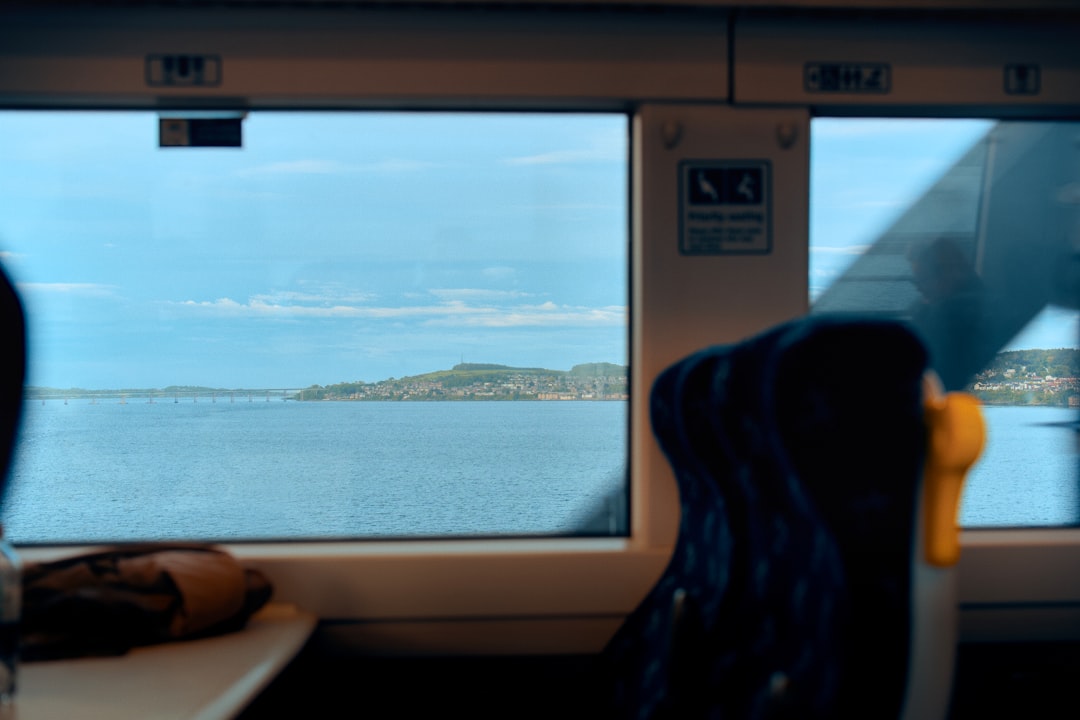
A Slow Travel Itinerary is the simplest way I know to make a trip feel wider instead of busier. I used to plan holidays like I was trying to win a race against the calendar, and I came home with a camera roll full of places I barely remembered. Now I keep a few planning notes on Rod & Style, but the bigger shift happened when I stopped treating each day as a list of stops and started treating it like a rhythm I could actually live inside.
The difference is not just emotional. It changes how you book, what you pack, where you stay, and how much of the trip you can actually enjoy while you are there. A good slow itinerary still has structure. It just leaves room for the kind of details that make travel feel personal, like a second coffee in the same square, a long walk after dinner, or an afternoon that turns into a local bookstore detour because the weather changed.
What follows is the way I think about planning a slower trip when I want it to feel restorative rather than crowded. I am not trying to build a perfect system. I am trying to build a trip that gives me enough certainty to relax and enough openness to notice where I am.
Why a Slow Travel Itinerary Feels Different From a Busy Trip
The first thing I notice about a busy trip is how much of it gets spent in transition. Bags get moved, trains get chased, check-ins take over, and the day starts to feel like a sequence of obligations. A slower plan reduces that friction. It does not remove movement. It just stops movement from becoming the whole story.
When I compare the two styles, the real difference is not speed. It is attention. A crowded route tends to make every location feel like a checkpoint. A slower route gives each place enough time to develop a personality. The street you walked down yesterday becomes familiar on the second morning. The bakery owner starts to recognize you. The park bench you picked by accident becomes part of the memory of the trip.
That matters because memory is built from repetition as much as novelty. If every hour is a new town, your brain has little chance to settle. If you spend several days in one place, the trip starts to feel lived instead of consumed. You begin to collect small facts that never make it into the itinerary, like which café opens early, where the shadow falls in the afternoon, and what time the neighborhood goes quiet.
I also think slower travel is kinder to decision-making. The more often you move, the more choices you make. Which platform. Which gate. Which road. Which lunch stop. Which hotel entrance. By the fourth or fifth move, even simple decisions can feel heavy. A calmer plan lowers that load. You still make decisions, but you are not making them every twenty minutes.
If you have ever returned from a trip feeling strangely tired by all the logistics, that is usually the clue. The trip was not too long. It was too compressed. A slower itinerary helps correct that by putting space back into the day.
- Fewer transfers mean fewer lost hours.
- More time in one area means stronger memory and context.
- Less constant decision-making means more mental energy for the actual place.
- Longer stays often reveal local routines you would miss in a rush.
That is why I think of a slow itinerary as a design choice, not a mood. I am choosing the conditions that let the trip breathe.
Start With One Clear Trip Goal
Before I pick dates or hotels, I ask one simple question. What do I want this trip to feel like? Not what do I want to see. What do I want it to feel like. That question changes everything. If the answer is restorative, I know I need fewer moves and more quiet mornings. If the answer is curious, I may choose a place with layered neighborhoods and easy public transit. If the answer is social, I might stay near a district with busy sidewalks and shared tables.
Too many itineraries fail because they try to serve every possible desire at once. They want museums, beaches, shopping, food tours, and a mountain day in the same week. Nothing wrong with any of those. The problem is when the plan becomes a pile of ambitions instead of a shape. A good Slow Travel Itinerary has a shape. It can still be varied, but the variety should serve the mood rather than fight it.
I like to write down one emotional goal and one practical goal. The emotional goal might be calm mornings, slower meals, or better conversation. The practical goal might be staying in one neighborhood, using trains instead of flights, or leaving one day unplanned. That is enough to keep the trip coherent without overfilling it.
For example, if I want a coastal week to feel restorative, I do not need a different beach every day. I might choose one town, one excellent café, one reliable dinner spot, and one longer outing halfway through the stay. The rest of the time can belong to walks, reading, and small detours. That still feels rich. It just does not feel crowded.
This is also where I decide what I am not trying to do. A slower trip is easier when I remove the fantasy of seeing everything. Once I accept that I will miss some things, the itinerary gets better. I stop trying to prove I was everywhere and start making room to actually be somewhere.
If you want a practical test, try this. Write your trip goal in one sentence, then draft the route in a second sentence. If the second sentence sounds frantic, the route is probably too ambitious. Trim it until the rhythm matches the goal.
How I Build a Slow Travel Itinerary Without Packing the Calendar
Once I know the mood, I start with the geography. The best slower trips usually come from a base, not a chain of stops. One city, one town, or one region gives the rest of the plan a center. Without a center, every day becomes a move. With a center, the days can branch out instead of splintering.
I like to choose a place where the main experiences are within easy reach. That might mean a city with good public transit, a town that sits near a few day-trip options, or a region where I can travel by train without constantly changing hotels. The goal is not to trap myself. The goal is to reduce the number of times I have to pack and unpack.
There is a quiet luxury in staying put long enough to settle in. On day one, you are still orienting yourself. On day two, you start noticing patterns. By day three, the place begins to feel legible. You know the route to the market. You know which side street is quieter. You know where to sit when you want shade. That kind of familiarity can make even a modest destination feel generous.
When I do want variety, I build it around one home base and add one or two excursions. For example, if I am staying in Lisbon for a week, I might choose one full day in a nearby town, one afternoon along the river, and the rest of the time for neighborhoods, food, and unhurried wandering. The trip still has range, but I am not living out of a suitcase every forty-eight hours.
There is another benefit. One base gives you better odds of finding your favorite places. The coffee shop you liked on the first morning might become your regular spot. The bakery you barely noticed on the first day might become the one place you miss after you leave. Repetition is part of the pleasure.
Here is the rule I use when I am tempted to add one more stop. If moving adds more value than staying, I keep it. If moving only adds the illusion of productivity, I cut it. That single question saves me from overplanning more often than anything else.
As a rough filter, I ask myself whether the route can be explained in one sentence. If I need a paragraph to describe where I am sleeping and why, the plan is probably too complicated. A slower itinerary should be easy to hold in your head. If it already feels hard to remember, it will probably feel hard to enjoy.
Design Days Around Rhythm, Not Minutes
One of the biggest shifts for me was moving away from minute-by-minute planning. That style of scheduling is useful for business travel, but on a trip it can turn the day into a compliance exercise. A slower plan works better when I think in blocks. Morning. Midday. Evening. Maybe one anchor activity, one meal, one open space.
That is enough structure to keep the day moving without making it rigid. For example, a morning might be for coffee and a neighborhood walk, midday for a museum or market, and evening for dinner plus a long loop through the area. The exact details can change, but the rhythm remains steady. I know roughly what kind of energy each part of the day should carry.
Here is a pattern I use when I want the day to feel full without feeling crowded.
- Morning for quiet and orientation
- Midday for one main activity
- Afternoon for a flexible gap
- Evening for a meal and a walk
That blank afternoon matters. It keeps the itinerary from becoming brittle. If the morning runs long, the day does not collapse. If the weather changes, I have somewhere to move the plan. If I find a local shop or gallery I like, I can stay longer without sacrificing everything else.
I also build in an energy check. Some days are naturally slower. Arrival days, train days, and hot-weather days should not be loaded the same way as a fully settled day. If I try to force equal intensity every day, the trip starts to feel like a performance. I would rather have a soft arrival, a middle section with more shape, and a final day that leaves space to reflect.

That rhythm approach also helps with companions. Not everyone wants the same pace at the same hour. If I tell people the day has a loose structure instead of a fixed script, they relax. They know when we will be together, when we can split up, and when there is room to improvise. That makes a trip feel cooperative instead of negotiated all day long.
My favorite itineraries often look boring on paper. They do not look dramatic because they are not trying to be dramatic. They are trying to make the day feel usable. That is a much better goal.
Book the Right Things Early and Leave the Rest Open
Slow travel does not mean winging everything. It means deciding what deserves certainty and what deserves space. The trick is to book the pieces that are hard to improvise later, then leave the rest loose enough to respond to the trip itself.
I usually lock in the arrival, departure, and first place to sleep. After that, I choose a handful of items that are worth reserving in advance. Those might include a popular train, a restaurant I know I want to try, a limited-entry museum, or a long-distance ferry. Everything else stays flexible until I am on the ground.
The reason this works is simple. Booking only the necessary pieces removes anxiety without removing possibility. I know the trip has a spine, but I am not pinning every hour to a decision made three months ago. That balance is hard to get right, and it usually takes one or two trips to learn where your own threshold sits.
Here is the list I tend to settle on.
- Book flights or long-distance transport first
- Book the first and last nights of accommodation
- Book one or two high-demand experiences if they matter to you
- Leave daily meals, wandering, and small activities open
For me, the most useful rule is to ask which parts of the trip would be genuinely frustrating to arrange later. Those deserve advance attention. Which parts would be better if they matched my mood when I arrive. Those deserve freedom. The answer is rarely the same for every destination.
There is also a budget angle here. When I overbook, I often spend more because I am trying to protect an overfilled plan. A looser itinerary lets me react to what I actually find. Sometimes that means a better café and fewer paid experiences. Sometimes it means a small local tour I would never have predicted. Either way, the money follows the trip instead of controlling it.
I like to think of it as a layered plan. The first layer is fixed. The second layer is likely. The third layer is optional. If I can tell the difference between those layers, I know I am planning with enough discipline and enough openness to enjoy the trip once it starts.
Pack for Comfort, Reuse, and Less Friction
Packing is where many trips quietly go wrong. People imagine packing as an efficiency problem, but it is really a comfort problem. If your bag is awkward, your shoes are wrong, or your clothing choices require constant decision-making, the trip starts leaking energy before it even gets interesting.
For a slower itinerary, I pack to reduce friction. That means fewer outfit variables, shoes I can actually walk in, and layers that adapt to changing weather. I also pack with reuse in mind. If I can wear something twice or three times without thinking about it, I do not need to carry as much. That makes moving around easier and keeps mornings calmer.
I do not try to build a perfect capsule wardrobe for travel. I aim for combinations that make sense together and do not require much thought. A pair of comfortable trousers, one light jacket, one sweater, two or three tops, and one pair of shoes I trust will often do more for my mood than a bag full of options.
My packing questions are practical. Can I walk in these shoes for several hours. Can this layer handle a cold evening. Does this bag open easily on a train platform. Will I actually use this item more than once. If the answer is no, I usually leave it behind.
Here is the kind of packing list that keeps a slower trip smooth.
- One comfortable main bag
- One pair of walking shoes you have already tested
- Layers that work in more than one temperature
- Small toiletries that do not require constant replacement
- A charger, adapter, and one reliable backup battery
- A notebook or notes app for saving good places
The real win is not minimalism for its own sake. The win is fewer small annoyances. If I spend less time managing what I carry, I have more room to notice where I am. That is the whole point.
One detail I learned the hard way. When the trip is slow, the bag should be easy to live with, not just easy to lift. That means compartments that make sense, zippers that do not snag, and enough room that you are not repacking the entire thing every night. Comfort is not a luxury. On a slower trip, it is part of the itinerary.
Budget for Pace, Not Just Price
People sometimes assume a slower trip is more expensive because you stay longer in one place. Sometimes it is. Sometimes it is not. What matters is how you define value. A fast trip can look cheap on paper and still feel expensive in stress, transport, and missed opportunities. A slower trip can cost a little more per night and still deliver better value because the days are easier to enjoy.
I budget around pace. If I know I am going to spend more time in a destination, I look for accommodation that makes that time pleasant. A room with a decent desk, a quiet street, a neighborhood café, or a good train connection can be worth more than the cheapest listing. I would rather save on a transfer and spend that money on a better base.
I also track the hidden costs of movement. Every transfer has a price, even when the ticket looks small. There is luggage stress, time lost, the possibility of delays, the cost of eating on the move, and the mental drag of checking where to be next. If I remove a transfer, I often remove five other problems with it.
Slow travel also changes how I spend on food and activities. I am more likely to choose one excellent meal than three forgettable ones. I am more likely to pay for a local guide if it helps me understand the area, and less likely to spend on random activities just because I need to fill the calendar. That usually feels better both during and after the trip.
If I were to build a simple slow travel budget, I would split it like this.
- Comfortable accommodation in a good location
- One or two memorable meals
- Local transport and one longer excursion
- Flex money for things I only discover after arriving
That last category matters. A slower trip should have some room for surprise. If the budget is too tight, every unplanned choice becomes stressful. If I leave a little room, I can say yes to the lovely thing I did not know I would find.
When I plan this way, money becomes a support system rather than a scoreboard. I am not asking whether I spent the least. I am asking whether the money made the pace better. That is a much more useful question.
Adjust the Plan for City, Coast, or Road Trip Travel
A Slow Travel Itinerary is not one fixed template. It changes with the kind of place you are visiting. A city, a beach town, and a road trip all ask for different rhythms. The trick is to keep the same philosophy while changing the structure.
In a city, I like one neighborhood as a home base and one or two nearby districts to explore. Cities reward repetition. The second café is better than the first because you know what kind of morning you want. The walk back at dusk matters because you are seeing the same streets under different light. Public transit makes this even easier because it allows a wide radius without requiring a new hotel every night.
On the coast, slower travel often means choosing a place with a strong daily rhythm. Maybe the town wakes early, quiets down at midday, then comes alive again at sunset. If I fight that pattern, I feel out of step. If I work with it, the whole week gets easier. The beach becomes less about checking a box and more about being there at the right time of day.
Road trips are different. They can still be slow, but only if the driving is not too dense. I prefer fewer long driving segments and more time at each stop. I also build in recovery time after arrival because driving changes the energy of the day. A road trip that changes hotels every night rarely feels slow, no matter how scenic it looks in the brochure.
Multi-country trips are where people most often lose the slower feel. If I am crossing borders, I try to limit how often. One country and one nearby addition may be enough. If I add too many, I spend the week in transit terminals instead of destinations. Even if the map looks impressive, the trip can feel thin.
Here is a simple way I adapt the same idea.
- City one base, varied neighborhoods, transit friendly
- Coast one town, slow mornings, sunset routines
- Road trip fewer driving hours, longer stays, softer arrival days
- Multi-country fewer crossings, more nights per stop
The pattern is always the same. Reduce unnecessary movement. Increase the time a place has to become familiar. That is what turns a route into a memory.
Common Mistakes That Make Slow Travel Feel Rushed
The most common mistake is leaving too many good ideas in the plan. A place can be rich and still not fit every attraction into one visit. If I want the trip to stay slow, I have to protect the empty spaces as carefully as I protect the reservations.
Another mistake is confusing slowness with passivity. A slower trip does not mean I have no plan. It means the plan serves the day instead of running it. If I arrive and immediately start searching for something to do simply because the schedule is empty, I have missed the point. Rest is part of the structure.
I also see people overload the first two days. They arrive with jet lag or travel fatigue, then try to act as if nothing happened. That almost always backfires. If I treat arrival as its own phase, the rest of the trip works better. The first day can be about orientation, food, and a short walk. That is enough.
Another trap is selecting accommodations only by price or style instead of daily usefulness. A beautiful room far from everything can make every outing more tiring than expected. A smaller but well-located place often leads to a better trip because it lowers the cost of leaving and returning. Proximity is a form of comfort.
Then there is the urge to fill every gap with a plan B. I understand it. Empty time can feel wasteful when you are used to optimizing. But gaps are where some of the best moments happen. I would rather have a blank afternoon than a meaningless backup activity that eats the same attention.
If I had to put the mistake list in one line, it would be this. People rush a slow trip by trying to make it impressive. The better move is to make it livable. A trip that feels livable will usually be the one you remember most clearly.
When I notice a trip getting crowded, I cut in this order. First I remove duplicate activities. Then I remove one transfer. Then I remove the plan that only exists to satisfy the idea of productivity. That usually returns the itinerary to a more humane shape.
Keep the Trip on Track Without Tightening It Too Much
A slower itinerary still needs maintenance. Not rigid control. Maintenance. I think of it the way I think about a good apartment or garden. If I ignore it completely, little problems accumulate. If I micromanage it, I ruin the feeling. The answer is light attention at the right moments.
Each evening, I take five minutes to review the next day. I check the weather, the opening hours, the route, and whether anything feels too packed. Then I ask what the day really needs. Maybe it needs a slower start. Maybe it needs an indoor backup. Maybe it needs nothing more than a reservation and a pair of comfortable shoes. This is not about control. It is about protecting the shape of the trip.
I also keep a small notes file on my phone. I write down the places I want to revisit, the streets that looked interesting, the café names I would forget, and any local advice I hear. That makes the trip feel cumulative. I am not just passing through. I am building a little map of preferences as I go.
A simple maintenance checklist helps more than a complicated one.
- Check tomorrow’s weather and transport once each evening
- Confirm one key booking only if needed
- Leave at least one open block in the day
- Write down one place worth revisiting
- Adjust the pace if you notice fatigue building
I do the same thing with energy. If a day starts to feel heavy, I make it smaller. I do not need to force a full itinerary out of a tired morning. The slower trip works because it can absorb that kind of adjustment. A rigid itinerary would treat that as failure. I treat it as information.
That is the hidden skill of better travel planning. You are not building a prison. You are building a frame. The frame holds the picture, but it should not cover it.
How I End a Trip So the Pace Stays With Me
The end of the trip matters more than people think. If the final days become frantic, the whole experience can collapse into airports, packing stress, and a vague sense that the best part is already over. I like to leave the last part of a trip intentionally soft so the pace has time to land.
That usually means a lighter schedule on the final full day. I might revisit one favorite place, take one last long walk, and spend more time in a café than I normally would. I do not want the ending to feel like I am racing toward departure. I want it to feel like I am finishing the conversation with the place before I leave.
I also like to leave a small buffer between the final activity and the travel home. That buffer absorbs the normal messiness of packing, checkout, and transport. It also gives me a little time to notice what the trip actually changed. Without that pause, I often leave with a blur instead of a memory.
When I get home, I do one more thing. I make a short note about what worked. Not a complicated recap. Just a few lines. Maybe the one-base setup was perfect. Maybe I needed more outdoor time. Maybe the trip was best when I kept mornings slow and evenings simple. Those notes become the beginning of the next itinerary.
That is why I think a Slow Travel Itinerary is useful even after the trip ends. It teaches a repeatable way of thinking. Fewer moves. Clearer rhythm. Better choices about what deserves certainty. More space for the actual place to show up.
The best trips do not just show you somewhere new. They change how you move through time for a while. If you can keep that pace in mind when you plan, when you pack, and when you come home, the trip lasts longer than the booking.
And that is the part I keep returning to. The goal is not to travel less. The goal is to travel with enough space that the experience can meet you halfway.