
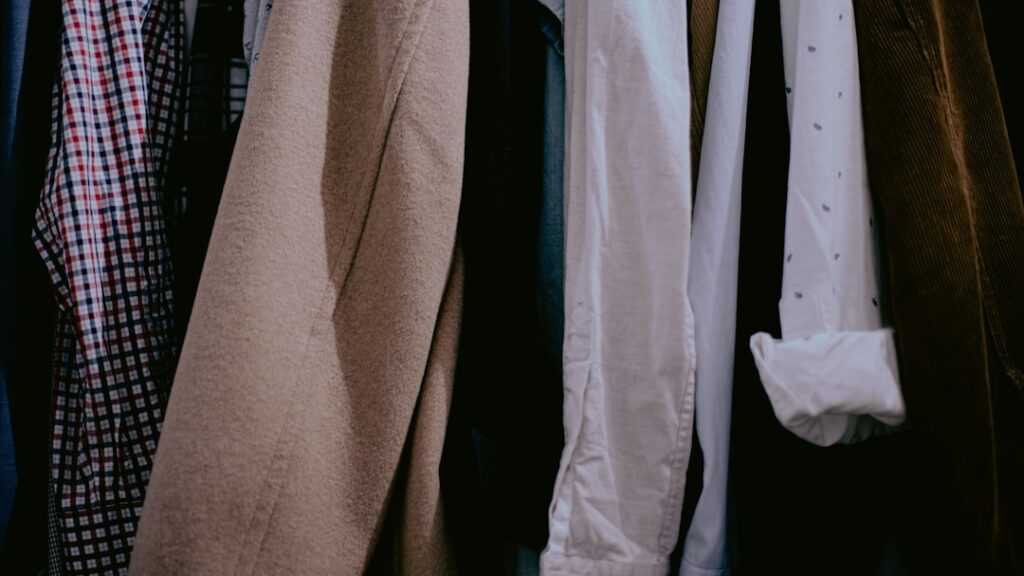
A capsule wardrobe for men is a compact, well-edited selection of clothes that mix and match easily, reduce decision fatigue, and help you look sharp without owning a closet full of items you rarely wear. If you have ever stood in front of your wardrobe wondering why you have so much but still feel like you have nothing to wear, a capsule approach brings clarity. Instead of chasing every trend, you invest in versatile pieces, consistent colors, and fabrics that work across settings. The result is a wardrobe that saves time, stretches your budget, and quietly raises your style ceiling day after day.

capsule wardrobe for men: what it is and why it works
A capsule is a smaller set of clothing that covers a larger share of your life. Most men wear fewer than 20 percent of what they own. That imbalance wastes money and space, and it drains energy every morning. A capsule mindset flips the equation by asking two questions: What do you actually wear in a typical week, and which pieces combine effortlessly? When you answer honestly, you might discover that a few well-chosen shirts, trousers, and shoes can form dozens of strong outfits.
The capsule method works because it simplifies choices. It trims silhouettes to a few that fit your body type, and it narrows colors to a harmonious palette. That harmony is what lets a navy overshirt work with three different pants, and the same pants work with four tops, multiplying your options. It also nudges you toward quality: fewer pieces means you can afford better fabrics, cleaner construction, and smarter tailoring. Finally, a capsule sharpens your personal style. Repetition is not boring when done with intent; it is your signature.
If you want ongoing inspiration after this guide, explore the looks we collect at Rod N Style — Fashion and Outfits. Use those ideas as references while you assemble your own capsule.
Principles that make a capsule wardrobe effective
Before we dive into items, lock in the rules that make a capsule work in real life. Use these principles as a filter when you shop, edit your closet, or build outfits:
- Versatility first: every piece should dress up and down at least one level. If a shirt only works for one specific event, it fails the test.
- Interchangeability: prefer items that pair with at least four other pieces you already own. Imagine combinations before you buy.
- Fit is non-negotiable: even simple clothes look elevated when the fit is dialed. Oversized on purpose is different from too big.
- Comfort with structure: seek pieces that feel comfortable but hold shape — think cotton twill, wool blends, or sturdy knits.
- Neutral-heavy palette: anchor your wardrobe in neutrals; add a small handful of accent colors that tie back to those anchors.
- Texture over loud patterns: texture adds depth without killing mixability — slub cotton, flannel, suede, and ribbed knits are your friends.
- Seasonal modularity: swap a few fabrics and outer layers as temperatures change while keeping the same backbone of silhouettes.
- Purpose alignment: honor your actual lifestyle. If you rarely attend formal events, keep tailoring minimal and focus on smart casual.
Keep these points in your phone. When you are tempted by a flashy piece, run it through the filter. If it does not score well, skip it. The best capsule is not built by saying “yes” more; it is built by saying “no” often.
Choosing a color palette that mixes effortlessly
Color is the engine of interchangeability. A tight palette lets you assemble strong outfits without thinking too hard. The simplest strategy is to pick two base neutrals, one secondary neutral, and two accents.
Try this baseline palette that flatters most men and works year-round:
- Base neutrals: navy and charcoal
- Secondary neutral: stone or khaki
- Accents: white and olive (optional: burgundy for fall/winter, sky blue for spring/summer)
Why it works: navy pairs with everything, charcoal offers a deeper contrast for business-leaning looks, stone/khaki lightens casual outfits, and white brings freshness. Olive sits elegantly between casual and refined and blends with denim, navy, or charcoal.
Applying the palette: keep high-rotation items (outerwear, trousers, knitwear, leather shoes) in your neutrals. Reserve accents for tees, shirts, pocket squares, caps, and lightweight knits. If you love black, you can substitute it for charcoal, but be careful: black plays best with cool tones and sharp silhouettes. If your wardrobe skews warm and rugged (brown leather, tan chinos, flannel), charcoal often integrates more smoothly than deep black.
Common palette pitfalls include buying too many statement colors, mixing warm and cool tones that clash, and forgetting footwear color harmony. As a rule of thumb, own shoes in one primary leather tone (dark brown or black) and one secondary (tan or white sneakers) to avoid pairing headaches.
Fit, fabrics, and construction: how to pick quality
Clothes that fit and wear well create the quiet confidence a capsule promises. Use this checklist each time you try on a piece:
- Shirts: shoulder seams should sit at the bone; sleeves shouldn’t spill over the thumb joint; you should be able to move without pulling at the buttons.
- Trousers: waistband stays up without a belt; rise suits your torso (mid-rise flatters most); the seat is clean with minimal pulling; hem breaks once or sits clean above the shoe.
- Jackets: collar hugs the neck; shoulders are smooth; sleeve pitch follows your natural posture; body allows a sweater underneath without stress.
- Shoes: snug at the heel, room in the toe box; leather flexes without cracking; outsole is stitched or well-bonded and replaceable on higher-end pairs.
Fabric matters for longevity and drape. Reliable workhorses include midweight cotton oxford, cotton twill, denim with a bit of stretch, merino wool, lambswool, and wool blends. Linen shines in heat. Flannel and brushed twill add cold-weather depth. For outerwear, look for dense cotton canvas, waxed cotton, wool melton, or technical blends that breathe and repel light moisture. When you assess construction, check seams (tight, even stitching), buttons (secured with shanks), collars (structured yet not cardboard-stiff), and pattern alignment on shirts or jackets.
Investing a little more in fabrics that age gracefully means less churn. A midweight oxford that softens with each wash or a wool bomber that holds its silhouette through seasons will outlast a cheaper, flimsy alternative.
Essential tops: T-shirts, shirts, and knits
Start with tops because they dominate what people see first. A powerful capsule needs a mix of tees, dressier shirts, and knitwear that spans temperatures and moods.
- Tees: two to three high-quality crewnecks (white, navy, heather gray) in midweight cotton. Add a black tee only if black features in your palette.
- Casual shirts: one oxford button-down in white or light blue; one chambray or denim shirt; one flannel in subdued checks for cold months.
- Smart shirts: one crisp poplin or pinpoint in white; one pale blue if you wear tailoring; consider a subtle stripe for interest.
- Knits: a light merino crew or V-neck in navy; a heavier lambswool or cotton sweater for winter; optionally a cardigan for layering flexibility.
- Layering heroes: a long-sleeve henley in off-white or charcoal, and a polo in navy or olive for warm months.
Outfit leverage: the same navy merino can pair with chinos and lace-ups for the office, jeans and sneakers for the weekend, or pressed trousers and boots for a dinner date. The oxford shirt is a year-round MVP: roll the sleeves with chinos in spring, tuck into wool trousers with a belt in fall, and layer under a sweater in winter.
Fit notes: tees should skim the body, not cling. Casual shirts can be slightly relaxed; smart shirts should allow two fingers at the collar and enough room at the chest to move comfortably. For knits, avoid overly long sleeves; cuffs should sit just at the wrist bone.
Essential bottoms: jeans, chinos, and tailored trousers
Bottoms create balance and dictate how dressy you look even more than tops. A sharp pair of trousers upgrades a sweatshirt; sloppy trousers drag down a blazer. Build around three silhouettes:
- Jeans: a dark indigo slim-straight (or athletic straight for bigger thighs) with minimal fading. Add a mid-wash pair if denim is your uniform.
- Chinos: a midweight cotton twill chino in stone, khaki, or navy. A slightly tapered leg complements most shoes and tops.
- Tailored trousers: wool or wool-blend in charcoal or mid-gray. Flat front is clean; pleats can add comfort and style if they drape well.
Why these three? They cover casual, smart casual, and business-leaning outfits. Swap shoes and outerwear, and you can move across settings without changing the base. For fit, focus on rise and seat. Mid-rise sits naturally on most bodies and prevents muffin-top or sagging. The leg should follow your shape without squeezing. For length, a slight break works for lace-ups; no break or a cropped hem works well with sneakers and loafers.
If you work in a creative office, an additional pair of dressy drawstring trousers in a wool blend can blend comfort with polish. If your climate is hot, consider lightweight cotton-linen chinos with a sharper cut to avoid sloppiness.
Outerwear and layers: jackets that do the heavy lifting
Outerwear sets the tone. The right jacket can make a T-shirt feel intentional or rein in a bold sweater. Prioritize silhouettes that have lasted decades:
- Denim jacket (mid-wash or dark): casual anchor, ideal over tees, henleys, and light knits.
- Bomber or Harrington jacket (navy, olive, or black): clean, waist-length, versatile with chinos or trousers.
- Field jacket or overshirt (olive or navy): utility pockets, layers over knits and flannels; doubles as a light coat in spring/fall.
- Wool topcoat (camel, navy, or charcoal): throws over everything in cold months; dresses casual outfits up instantly.
- Rain shell or technical parka (dark neutral): for wet weather; look for simple designs without excessive logos or toggles.
Choose one or two to start based on climate. A bomber covers a lot of ground in temperate cities; a topcoat is transformative in colder places. Fit should allow a sweater underneath without tension and keep sleeves ending at the wrist bone. For longevity, check zippers or buttons for sturdiness and ensure linings are well attached.
Color strategy: keep outerwear in neutrals to maximize pairings. Texture becomes your quiet differentiator — suede bombers, brushed wool topcoats, and canvas field jackets add depth without clashing with the rest of your capsule.
Footwear and accessories: small items, big impact
Footwear and finishing touches tie looks together. Build around three shoes and a tight set of accessories:
- White leather sneakers: low-profile, minimal branding; pair with jeans, chinos, and even dress trousers off-duty.
- Dark brown leather lace-ups or derby shoes: office-ready and dinner-appropriate; work with gray trousers, navy chinos, or dark denim.
- Boots: a sleek Chelsea or lace-up service boot in dark brown or black adds presence in fall/winter.
Accessories that pull their weight:
- Belts matching your primary leather tone (dark brown or black).
- Watch with a clean dial on leather or a steel bracelet.
- Neutral beanie and gloves for winter; a lightweight scarf when temperatures drop.
- Minimalist backpack or tote for commuting; a compact weekender for short trips.
- Socks in navy, gray, or black; a few textured pairs (ribbed wool, subtle patterns) for interest.
Keep accessories purposeful. A belt that matches your shoes is more valuable than three belts you rarely touch. A watch with a legible face beats a trendy piece you resent wearing. The capsule mindset favors items you reach for automatically because they work.
Outfit formulas for work, weekend, travel, and events
Once the pieces are in place, outfit formulas make daily dressing almost automatic. Try these plug-and-play combinations that respect different settings:
- Office smart casual: navy merino sweater + pale blue oxford + charcoal trousers + dark brown derbies + topcoat. Swap the sweater for a blazer when needed.
- Creative workplace: navy overshirt + white tee + khaki chinos + white sneakers. Add a wool scarf and switch to boots in winter.
- Weekend uniform: heather gray tee + mid-wash denim jacket + dark indigo jeans + white sneakers. In cooler weather, replace the tee with a henley.
- Travel ready: charcoal knit polo + stone chinos + navy bomber + white sneakers. Everything packs small, resists wrinkles, and crosses dress codes.
- Dinner date: navy merino or black fine-gauge knit + gray wool trousers + Chelsea boots + topcoat. Optional layered chain or subtle fragrance for personality.
- Casual event: flannel shirt + olive chinos + brown service boots + field jacket. Roll the cuffs and tuck or untuck based on setting.
To expand these formulas, swap one piece at a time: change sneakers to loafers, chinos to trousers, or the tee to a polo. The palette and silhouettes you chose earlier ensure the swap will still work.
Seasonal capsules: adapt the core for spring, summer, fall, winter
Seasonal tweaks keep your capsule comfortable and cohesive. The backbone remains; you just change fabrics and a few specialty items.
Spring: lighten fabrics and add transitional layers. Think cotton-linen shirts, unstructured chore coats, and stone chinos. A lightweight scarf and water-resistant jacket handle unpredictable weather.
Summer: switch to breathable textures. Choose linen or linen-blend shirts, seersucker shorts if you wear shorts, and unlined loafers or minimalist sneakers. Keep colors airy (white, sky, stone) paired with navy anchors. A camp-collar shirt in a muted print can be your one seasonal statement.
Fall: add warmth and depth. Flannel shirts, heavier chinos, wool trousers, and brushed knits come out. Colors shift to olive, burgundy, and deeper blues, but stay within your palette.
Winter: layer strategically. Merino base layers, lambswool sweaters, wool trousers, and a topcoat or insulated parka carry you through cold spells. Boots replace sneakers more often. Textures (flannel, rib knits, melton wool) make simple outfits look intentional.
The trick is modularity. Keep silhouettes consistent so your summer and winter pieces swap without breaking proportions. For example, if you favor tapered trousers and cropped jackets, maintain that general shape across seasons.
Smart shopping: budgets, brands, and upgrading over time
Building a capsule can be done at any budget if you pace yourself and buy in the right order. Start with the highest-impact items you will wear the most. Then add strategic upgrades as you learn what you truly love.
Prioritize your first investments:
- Footwear: comfortable, versatile shoes change how every outfit reads.
- Trousers: one great pair will anchor a week of looks.
- Outerwear: a single excellent jacket or topcoat can elevate basics instantly.
Where to save: tees and casual shirts (once you know your favorite fits), belts, and accessories. Where to spend: shoes, tailoring, and outerwear. As for brands, approach labels as a guide to fit and fabric, not a shortcut to quality. Try multiple cuts before settling on your go-tos. Keep a note on your phone with successful sizes and model names.
Upgrade gradually. When a cheaper item wears out, replace it with a better version in the same role. This compounding approach prevents impulse purchases and keeps your capsule coherent. If you do buy trend-forward pieces, restrict them to accents that can exit without disrupting the whole system.
Care, storage, and alterations: make every piece last
Good maintenance protects your investment and keeps garments looking sharp. Build a basic care routine and stick with it.
- Washing: wash less often than you think; air garments between wears. Turn denim and knitwear inside out; wash cool; use gentle detergent.
- Drying: avoid high heat. Air-dry knits flat on a towel to prevent stretching; hang shirts on wide hangers; tumble only when necessary.
- Pressing: steam wrinkles out of suits and jackets; iron shirts while slightly damp; use a pressing cloth on delicate fabrics.
- Storage: cedar blocks deter moths; breathable garment bags protect wool coats; shoe trees maintain shape and reduce creasing.
- Rotations: alternate shoes to let them dry fully; rotate knits to prevent elbow wear; give denim a day to recover between wears.
- Repairs: sew loose buttons promptly; take shoes for resoling before the midsole wears through; mend small snags to prevent growth.
Alterations amplify value more than any other step. Hem trousers to the exact break you like, taper legs subtly if needed, and shorten sleeves so cuffs show the right amount. Learn your measurements (shoulder width, chest, sleeve, outseam, waist) or have a local tailor record them for you. A competent alteration turns an off-the-rack piece into something that looks made for you.
Common mistakes and how to fix them
Even with a plan, a few pitfalls can derail progress. Here is how to navigate them:
- Buying duplicates too soon: avoid purchasing two similar items before you wear the first one for a month. You may discover a fit or fabric preference that changes your choice.
- Ignoring climate: a capsule built for Instagram will fail in real rain and heat. Prioritize footwear and outerwear that match your weather.
- Overloading patterns: if plaid shirts, graphic tees, and bold knits all show up at once, outfits fight each other. Keep patterns subtle and staggered.
- Forgetting footwear harmony: shoes carry an outfit’s mood. If you wear sneakers with everything, add one leather option; if you only own dress shoes, add a clean sneaker.
- Chasing sales: a discounted item that does not fit your palette or formulas is not a deal. Your cost per wear matters more than the sticker markdown.
- Neglecting tailoring: “almost right” becomes “just right” with one visit to a tailor. Budget for small alterations when you buy.
When you make a mistake, sell or donate the piece quickly. Freeing up space helps you see your capsule clearly and prevents sunk-cost thinking.
Sample starter packs by budget
The numbers below outline realistic starting points. Adjust counts for your lifestyle. The goal is not to own exactly these items, but to cover your weekly life with the fewest, most versatile pieces.
Lean starter (on a tight budget)
- 2 tees (white, navy)
- 2 shirts (white oxford, chambray)
- 1 knit (navy merino)
- 1 denim jacket or overshirt
- 1 pair jeans (dark indigo)
- 1 pair chinos (stone or khaki)
- 1 pair sneakers (white leather)
- 1 pair lace-ups (dark brown)
- 1 belt, 3-4 pairs socks, a simple watch
Balanced capsule (most men)
- 3 tees (white, navy, heather gray)
- 3 shirts (white oxford, light blue, flannel)
- 2 knits (navy merino, heavier seasonal knit)
- 2 jackets (bomber and field jacket or denim jacket)
- 2 pairs jeans (dark and mid-wash)
- 2 pairs chinos (stone and navy)
- 1 pair wool trousers (charcoal)
- 1 topcoat (charcoal or camel)
- 1 pair sneakers, 1 pair lace-ups, 1 pair boots
- Belts, socks, watch, scarf, and gloves as needed
Elevated capsule (for frequent smart casual/business)
- 4 tees, 4 shirts (add a subtle stripe and one dress shirt)
- 3 knits (fine-gauge and heavier options)
- 3 jackets (bomber, wool blazer, and field jacket)
- 2 pairs jeans, 2 pairs chinos, 2 pairs wool trousers
- Topcoat plus a technical rain shell
- 2 pairs dress shoes (brown and black), sneakers, and boots
- Leather brief or refined tote; rotating belts and watch straps
As you scale up, keep editing. A capsule is not a fixed number; it is a living system that stays lean by design and evolves with your needs.
Putting it all together
Building a capsule is a project worth doing slowly. Start with your palette, then secure footwear and two pairs of great trousers. Add knitwear and a jacket that fits your climate. Fill the tops category with shirts and tees that align with your palette and proportions. Use the outfit formulas to stress-test your picks: can each piece work in three or more looks? If not, consider exchanging it for something more versatile.
The reward for this deliberate approach is a closet where nearly everything works, the mirror stops being a negotiation, and your clothes quietly support the life you want. Over time, the capsule does not just make getting dressed easier — it gives your style a recognizable identity that looks good in photos ten years from now as it does today.