
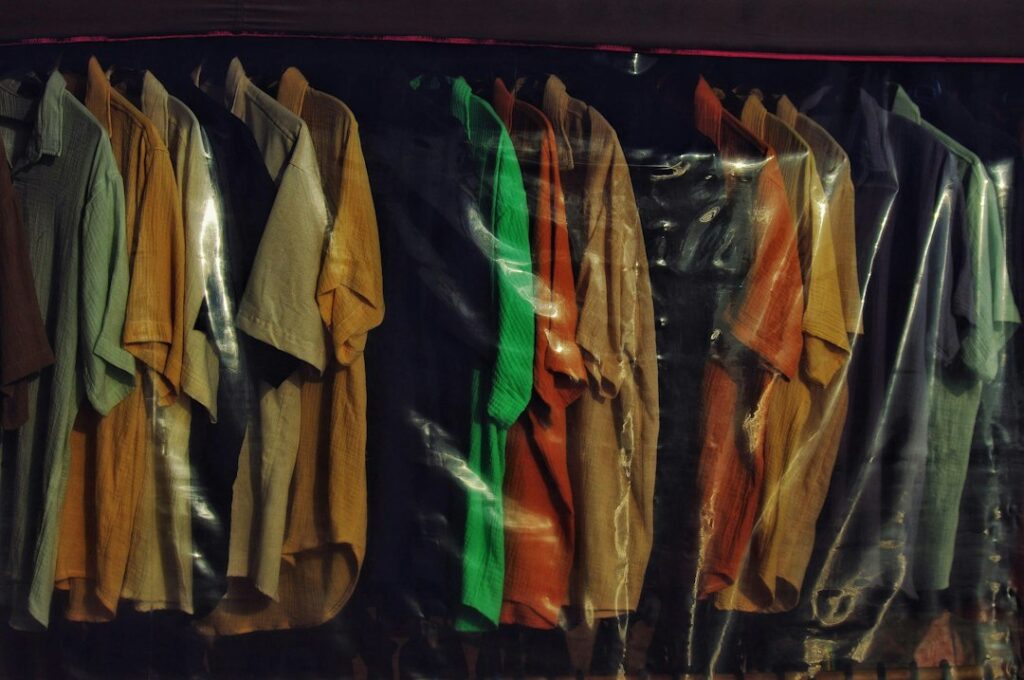
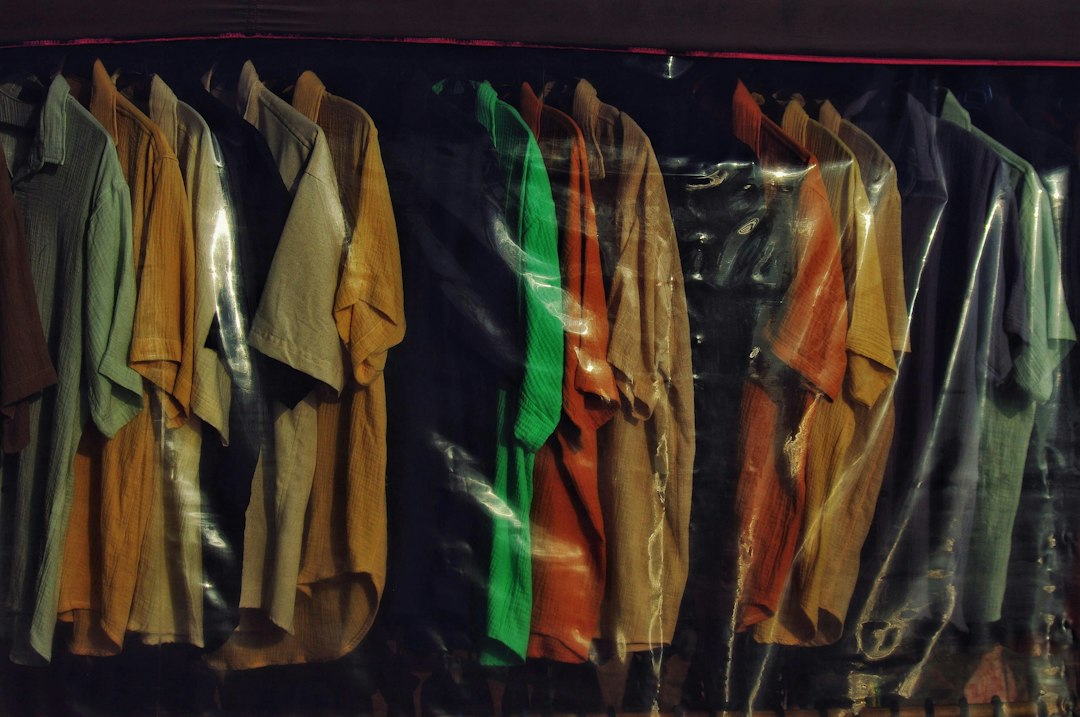

A capsule wardrobe for 2026 is a practical, modern way to dress with clarity, confidence, and less clutter. This guide is written to help you plan, buy, style, and care for a compact closet that fits your life today and adapts to what the year brings next. Instead of chasing every micro-trend, you will build a reliable core, add useful accents, and create repeatable outfit formulas that still feel personal. Along the way, you will find checklists, comparison points, and a 30-day rollout plan you can start this week.
capsule wardrobe for 2026: Why a capsule now, and what it solves
Clothes are supposed to make daily life easier, yet many of us still face the morning stand-off with a full closet and nothing to wear. A capsule approach solves that because it limits choices to the pieces that do the most work, in combinations you already know you like. Think of your wardrobe like a toolkit: you do not need twenty screwdrivers—just the right ones, in the right sizes. The point is not to own as little as possible; the point is to own precisely what you will use frequently, and to know exactly how it combines.
Practically, a solid capsule reduces decision fatigue, cuts impulse shopping, and directs your budget to items that deliver value. It also frees time. Once you agree on your core silhouette and color structure, outfits assemble faster than a search for keys when you are late for work. If you enjoy trend moments, you can still add them, but you will evaluate them against a stable base: Will this shoe or knit slot into existing outfits? Does it harmonize with current colors? Can it be dressed up or down? When the answer to these questions is a clean yes, trends play nicely inside a capsule without creating noise.
Another advantage is travel. Packing becomes a quick subset of your daily system. You already know that navy trousers, a grey knit, and a white shirt pull weight. Add one accent (say, a brick-red scarf or a patterned blouse), and you have a smart little travel capsule that covers meetings, dinners, and a day of walking without extra luggage.
Capsule wardrobe for 2026: your core checklist
Here is a shortlist of versatile items that anchor most modern closets. Adjust fabric weights for your climate and swap details to match your style identity, but keep the roles intact. The goal is to own one strong version of each, then iterate if your lifestyle needs multiples.
- Tailored jacket or blazer: aim for a classic cut with subtle structure. Charcoal, navy, or warm beige work across settings. If you prefer softer tailoring, an unlined blazer in wool or a ponte knit balances structure and comfort.
- Two pairs of trousers: one in a dark neutral (charcoal/navy/black) and one in a lighter or textured neutral (mid-grey, taupe, subtle pinstripe). Choose straight, barrel, or wide-leg based on your preferred silhouette.
- Everyday denim: a mid-rise straight or slim-straight in a medium to dark wash ages best and combines with everything from sneakers to loafers.
- Button-front shirt: white or soft blue for brightness; if crisp poplin feels formal, look for oxford or lyocell blends. Oversized styles add ease; fitted styles sharpen layers under blazers.
- Fine-gauge knit: a crewneck or turtleneck in merino, cotton, or a quality blend. Neutral tones carry the most mileage.
- Layering tee: two to three tees in white/grey/black. Prioritize non-sheer fabrics and a neck shape you love (crew, mock, or scoop).
- Day dress or jumpsuit: a simple silhouette you can layer; if dresses are not your thing, a utility jumpsuit serves the same role.
- Smart shoe trio: a minimalist sneaker, a leather loafer or derby, and a dress-up option (heel, heeled boot, or sleek boot). If you live in warm weather, swap the dress option for a refined sandal.
- Outer layer: trench, mac, car coat, or a clean parka. In colder climates, include an insulated coat in a neutral color.
- Bags: one structured medium-size bag and one small crossbody or belt bag. If you commute or carry a laptop, add a sleek tote or backpack.
Beyond these anchors, add one or two personality pieces—patterned knitwear, a colored skirt, a statement belt—that still blend easily with the core. Remember, the heart of a capsule is repeatability; if a piece demands special handling every time, it might be better as a special-occasion item than an everyday hero.
Color palette strategy you can actually use
Color drives cohesion. You do not need a design degree to build a palette that works; you need a simple map. Start with two base neutrals (for example, navy and grey), one light neutral (white, cream, or stone), and two accent colors that fit your personality and skin tone. In 2026, muted earth accents (clay, olive, ochre) and softened brights (dusty teal, brick red) combine well with classic neutrals and feel current without shouting. If your lifestyle leans formal, keep accents small—scarves, belts, or knit layers. If it leans creative, let accent colors appear in shirts or trousers.
Once you choose, stick with it for a season. The constraint is the feature. Limiting your palette increases the number of possible outfits, because pieces relate. When you bring home anything new, evaluate it against your palette first. If that citrus yellow cardigan does not echo any accent you chose, it will likely become a loner. If it does echo an accent, it may refresh multiple outfits at once.
Texture can be as important as color. A compact wardrobe benefits from visual depth: think rib knits against smooth poplin, brushed wool against denim, or a matte trench over a subtle-sheen satin skirt. Textures help similar-toned outfits feel complete. Keep hardware consistent (silver or gold) across belts, bags, and shoes to avoid accidental clashes that erode the capsule’s calm.
Fit notes and silhouette choices for different bodies
Two people can own the same checklist and end up with very different wardrobes because of silhouette. Instead of fixating on size numbers, choose fits that echo the lines you like seeing on yourself. A good test is the mirror plus movement: walk, sit, and raise your arms. If a blazer pulls as you reach for a shelf, or trousers break awkwardly at the ankle, note the trouble spots and adjust accordingly.
- If you prefer neat lines: look for straight-leg trousers with a slight taper, mid-rise, and a blazer that nips gently at the waist. Shirts should fit the shoulder and skim the body.
- If you prefer relaxed lines: wide or barrel-leg trousers in drapey fabrics keep ease without bulk. An unstructured blazer or chore jacket maintains a clean line while avoiding stiffness.
- If you like a long leg line: keep the hem just at the top of the shoe, or choose a slight break. Monochrome looks (e.g., black trousers with black boots) visually extend length.
- If shoulders or hips lead the silhouette: balance by varying fabric weight. Structured wool up top with softer trousers balances a strong shoulder; soft knits up top with denser denim balances curvier hips.
Tailoring is not an indulgence; it is part of capsule building. A modest hem, waist nip, or sleeve shorten can turn an almost-right piece into the one you reach for three times a week. When you budget, reserve a small buffer for adjustments so you can say yes to quality knowing you will fine-tune the fit.
Seasonal rotation and climate planning
A capsule does not mean one set of clothes for twelve months. Think of it as a rotating core plus seasonal modules. In a four-season climate, your core might stay constant (denim, shirts, tees, loafers), while modules swap in and out: light linen for summer; wool trousers, heavier knits, and insulated outerwear for winter. If you live where seasons are mild, your modules could be temperature-extenders: a thin down vest under a trench for cool mornings, or a linen shirt layered over a tank when heat rises.
Plan with a simple climate matrix. List your typical temperature ranges and precipitation patterns, then assign fabrics and layers that handle each. For example: 0–5°C (heavy coat, thermal tee, wool trousers); 6–12°C (trench plus fine-gauge knit); 13–20°C (light jacket or cardigan); 21–28°C (linen or cotton poplin, open-weave knits); above 28°C (breathable tanks and relaxed shorts or skirts). Owning the right fabric at the right weight is half the battle; the other half is learning combinations that control heat or hold warmth without bulk.
Footwear is the climate swing vote. Leather sneakers and loafers cover much of the year, but harsh winters call for a waterproof boot and hot summers benefit from a refined sandal or woven loafer. Choose socks you enjoy wearing—quality socks protect shoes and make outfits more comfortable, extending the life of your capsule.
Outfit formulas you can repeat without getting bored
Outfit formulas keep a capsule interesting because they multiply options without multiplying items. Build three to five formulas and vary within them. Here are reliable examples you can adapt to your palette and silhouette.
- Smart casual uniform: straight denim + fine-gauge knit + blazer + loafers. Swap the knit for a tee in warmer weather, or the loafers for sleek sneakers on busy errand days.
- Office-ready: dark trousers + oxford shirt + belt + minimal sneaker or derby. Add a scarf or bracelet to shift energy without changing the structure.
- Evening low-key: black trousers + satin cami or knit top + longline cardigan + heeled boot or dress shoe. Accent with a single colored accessory.
- Weekend ease: chore jacket or light bomber + tee + relaxed denim + leather sneaker. Elevate by switching to a crisp shirt and adding a slim belt.
- Monochrome set: one color head-to-toe with texture swaps (e.g., navy knit + navy trousers + navy coat). Use a metallic belt or subtle patterned scarf to break monotony.
You can schedule formulas across a week to simplify mornings. For example, Monday and Thursday are blazer days, Tuesday is shirt day, Wednesday is knit day, Friday is denim day. By mapping formulas to days, you narrow choices without feeling boxed in, and you quickly spot gaps (“I need a second fine-gauge knit in a different neutral” or “My only oxford shirt needs a rest”).
Looking for more outfit ideas and practical styling articles? Explore the latest posts on Rod N Style to build on these foundations.
Smart shopping: budgeting, fabrics, and finishing
Because capsules focus on use, cost-per-wear (CPW) is your best budgeting lens. If a blazer costs 180 and you wear it 90 times in a year, CPW is 2 per wear; that may be better value than a 40 top you wear twice. Run this simple math on any wish list item and compare to similar pieces you already own. If the CPW does not look reasonable for your life, wait. Your future self will thank you for the restraint.
Prioritize fabric quality and finishing where wear is highest: outerwear, footwear, and trousers. Wool for structure, cotton twill or high-density cotton for durability, and merino or high-quality cotton for knits all carry long-term value. Not every item has to be premium; a humble tee can be brilliant if the fabric feels good and holds its shape. Pay attention to seams and hardware—clean stitching and solid zippers signal care in construction. If thrifting or buying secondhand, scan for fiber content labels and be honest about repair capacity. A great seam can be worth a small mending appointment; a broken zipper on a delicate fabric might not be.
Shop intentionally. Try building a quarterly list: two essentials you will upgrade, one accent piece, and one maintenance item (like a cobbler visit or replacing socks). Review your actual calendar—work trips, weddings, seasonal climate swings—and let your plan follow your life, not scrolling impulses. Keep receipts and track returns quickly; unlike habits, clothes do not improve by sitting in a closet with tags on.
Care, storage, and a longer garment life
A capsule thrives when pieces age well. Follow care labels, but also learn your fabrics. Many knits prefer a cold, gentle wash and a flat dry on a towel. Woven shirts often wash well in cold and look sharp with a quick hang-dry and steam. Denim benefits from less frequent washing; brush off debris, spot clean, and air. Shoes last longer if you rotate them and use shoe trees for structured leather styles. A quick wipe-down after wear keeps salt or grime from setting in.
Organize storage for visibility. Fold knits to avoid hanger bumps, hang shirts and blazers on supportive hangers, and store seasonal items in breathable bags. Cedar blocks or sachets help deter fabric pests, and a handheld steamer can replace more aggressive ironing for most items. A de-piller transforms a tired knit; a lint brush revives a coat instantly. Small rituals like these keep your core looking sharp and delay the need to replace items prematurely.
Finally, learn basic repairs. Reattaching a button, securing a loose hem, or tightening a strap are simple fixes and often take under fifteen minutes with a travel-size kit. If that does not suit you, note a local tailor’s hours and build the habit of dropping items off the same day you notice an issue. Momentum protects your capsule.
Ethics and sustainability, made simple
A compact wardrobe reduces waste by default because it centers use. Buying less and buying better is the straightforward path; choosing brands that disclose materials and working conditions adds another layer of alignment. Look for fiber content transparency, third-party certifications, and repair programs. Secondhand options extend item life and often provide higher-quality fabrics at lower prices. When you no longer use a piece, resell or donate in-season and in good condition—items move faster and avoid long storage spots in someone else’s closet.
If sustainability feels complex, reframe it around stewardship. Your closet is a small ecosystem. Keeping it balanced—through thoughtful intake, regular care, and timely exits—reduces waste and increases satisfaction. You will likely find you enjoy your clothes more when each one is purposeful. That enjoyment is a form of sustainability too; it replaces novelty with appreciation.
Travel capsules: pack light, look polished
Travel compresses your wardrobe’s job into a carry-on. A 10-piece travel capsule can cover a week: blazer, trench or light coat, two trousers, one denim, one day dress or jumpsuit, two tops (shirt and knit), two tees, and two pairs of shoes (one sneaker, one dress shoe or boot). Keep your colors strict: use your daily palette and pick one accent. Add a small silk scarf or compact accessory that flips outfits from day to evening. Roll garments to reduce wrinkles and use packing cubes to keep categories separated. A small stain stick and a travel steamer or wrinkle-release spray cover emergencies.
If your trip includes varied activities, think modular. For example, a knit and denim combo handles casual days; swap denim for tailored trousers and add the blazer for meetings; swap the knit for a satin camisole and add the dress shoe for dinners. Everything pairs because you set the palette and silhouettes before you zipped the bag. This is the same capsule logic running in a smaller arena.
Common pitfalls and how to course-correct
Even with a clear plan, a capsule can drift. Typical missteps include buying duplicates too early, letting color creep dilute cohesion, and adding special-occasion pieces to an everyday capsule. When you notice drift, pause shopping and wear what you own for two weeks. Keep a simple log: what did you reach for, what felt missing, what felt redundant. Often the answer is not more items but better fits or a second version of a high-rotation piece in a different neutral.
Another pitfall is over-indexing on inspiration photos that do not match your life. If you love editorial looks but spend most days in casual settings, build a capsule for your real calendar and let one or two outfits scratch the editorial itch on weekends or events. The test for any candidate piece is simple: can you make three distinct outfits with items you already own? If not, it is probably aspirational rather than practical.
Finally, beware of orphan items: a sensational top with no compatible bra or a pair of trousers that only works with one specific shoe. Orphans demand support pieces, which multiply purchases. If an orphan sneaks in, decide quickly: add the missing support piece if it unlocks multiple outfits, or release the orphan to someone who will use it.
A 30-day rollout plan
You can build your capsule methodically over a month without chaos. Use this staged plan to keep momentum manageable and decisions clear.
Week 1: Audit and palette
- Empty your closet to a clean surface and separate items into keep, maybe, and exit.
- Choose two base neutrals, one light neutral, and two accents. Note them on a card you keep in your wallet.
- Identify your top three outfit formulas and the silhouettes that support them.
Week 2: Core pieces only
- From the keep pile, select one strong version of each core piece: blazer, two trousers, denim, shirt, tee, knit, day dress or jumpsuit, outer layer, shoes, bag.
- List gaps; set a realistic budget and CPW targets for each gap.
- Book a tailoring appointment for any near-miss piece that merits adjustment.
Week 3: Test and refine
- Wear your formulas on repeat with the core. Note comfort, compliments, and annoyances.
- Fix comfort issues first: shoe inserts, belt holes, swapping a stiff shirt for a softer fabric.
- Add one accent piece that works with at least three outfits; resist more until you confirm the first one hits the mark.
Week 4: Maintain and automate
- Create a quarterly shopping plan (two essentials, one accent, one maintenance action).
- Set calendar reminders for seasonal rotations and care rituals.
- Photograph your favorite outfits and store them on your phone for easy morning reference.
By the end of the month, your capsule will feel less like a project and more like a quiet system running in the background of your life. You will own fewer yet better pieces, understand exactly how they combine, and spend more time wearing outfits you like rather than trying to invent them on deadline.
Putting it all together
Clothes become powerful when they are both simple and specific. A capsule makes that possible by narrowing choices to what suits your body, your colors, your climate, and your calendar. The steps in this guide will help you assemble a reliable core, add accents with purpose, and keep everything in shape. You can revisit the lists here anytime and adjust for a new season or a new schedule without starting from zero. That is the real gift of a capsule—less noise, more signal, and a daily routine that quietly supports who you are and what you do.