
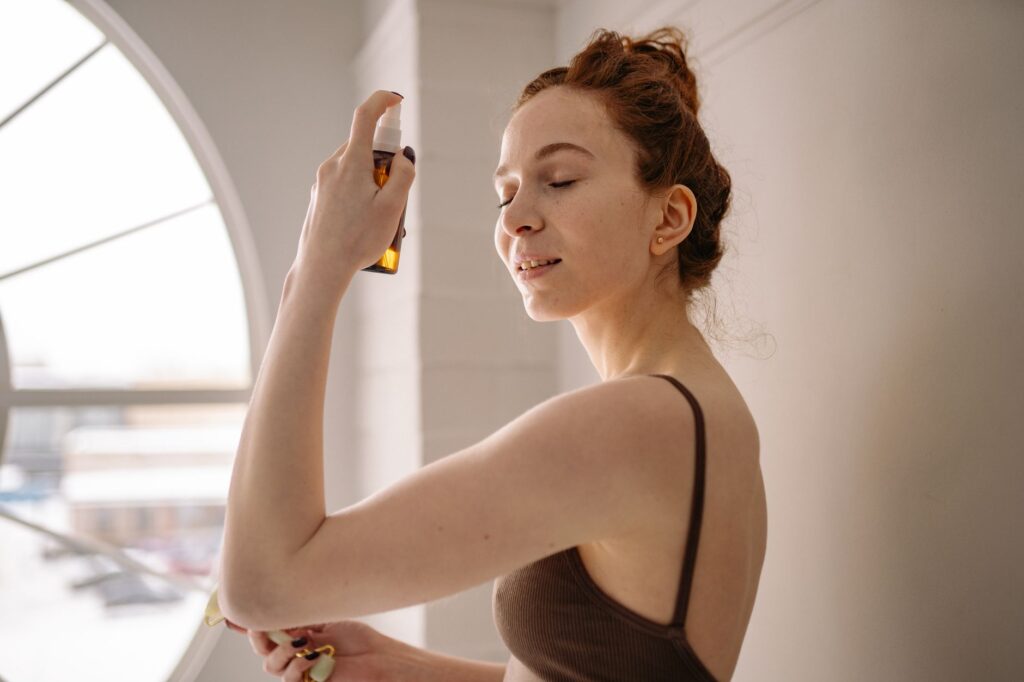
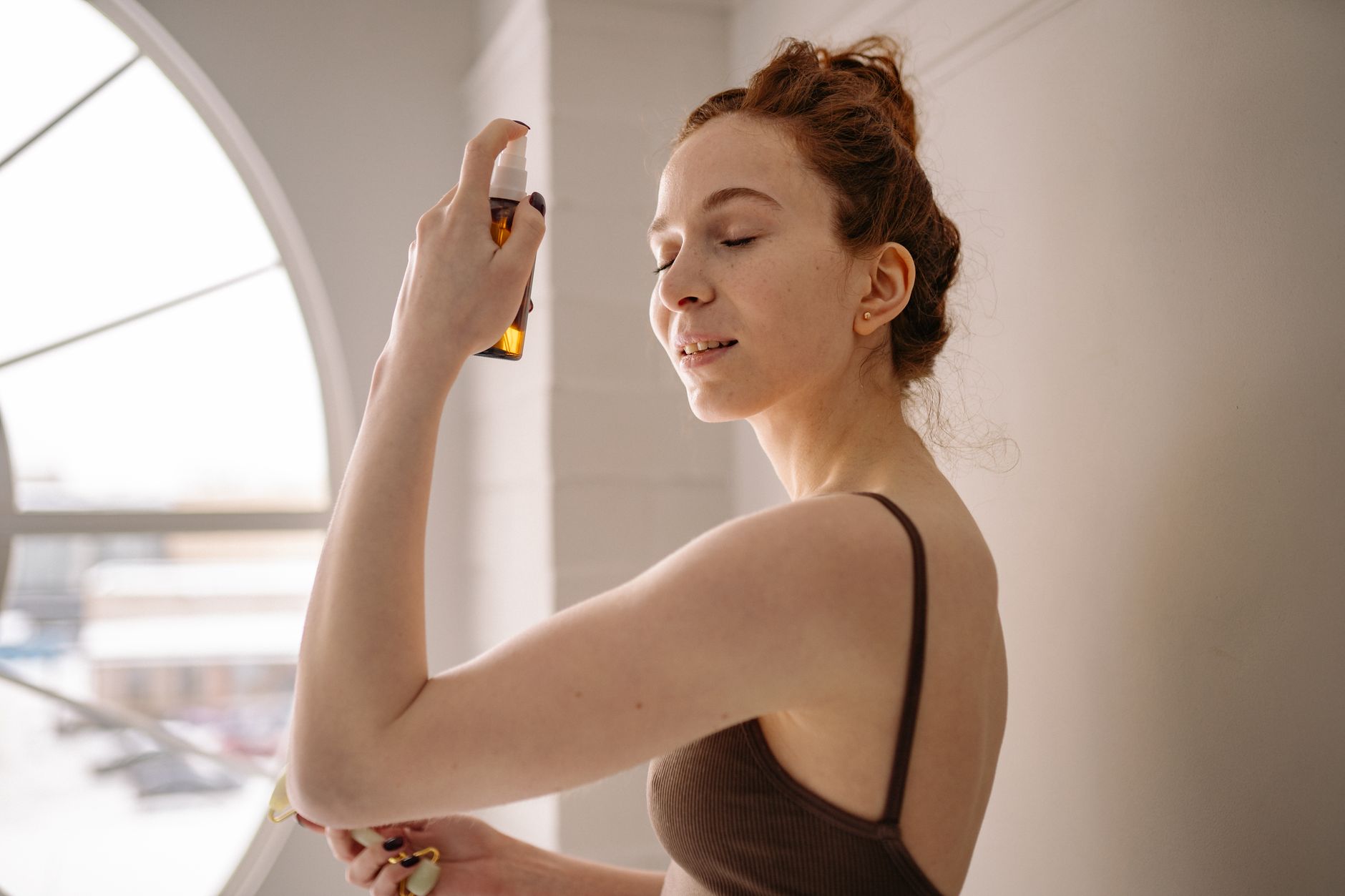

The best sunscreen spray for face is a clear, broad‑spectrum SPF 45–50 face spray chosen to match your skin and how you’ll use it: matte setting mists for oily skin, hydrating mists for dry, and water‑resistant SPF 50 for beach or sports. Sprays shine for quick reapplication; for coverage that looks even, hold the nozzle about 6–8 inches from your face, make two thorough passes, then press in gently with a sponge. If your skin is easily irritated, pick fragrance‑free options.
In short, choose a face‑safe, transparent mist labeled broad‑spectrum, pick a finish you like (matte to manage shine, dewy for comfort), and match water‑resistance to your day. Sprays are made for top‑ups, including over makeup: blot first if you’re shiny, mist evenly from 6–8 inches, then tap with a clean sponge to smooth without moving your base.
Best sunscreen spray for face: quick picks and how to choose
Below are fast recommendations by scenario, followed by how to match formulas to your needs. Because availability and labels change, use the criteria here to pick confidently anywhere you shop.
- Daily over makeup: Look for “clear,” “invisible,” or “no white cast” setting sprays with SPF 45–50. Finish: matte or soft‑matte if you get shiny; natural or dewy if you run dry.
- Beach or sports: Choose SPF 50 with 40–80‑minute water resistance. Favor sweat‑resistant aerosols with a continuous, even mist.
- Oily/shine‑prone: Matte or blurring mists; avoid heavy oils. Alcohol denat is common in matte setting sprays; many oily skins find it useful for daytime, but those who feel tightness may prefer low‑alcohol formulas.
- Dry or dehydrated: Hydrating mists with humectants such as glycerin or hyaluronic acid. These feel more comfortable and dry down with a soft glow rather than a flat matte.
- Sensitive/reactive: Fragrance‑free, simple formulas. Mineral options exist, but clear chemical mists are most common and easiest to use over makeup without visible residue.
- Budget/drugstore: Clear SPF mists now exist at many chains. Compare price per ounce (price ÷ size) and plan for refills if you reapply daily.
- Mineral option: If you want mineral filters, look for zinc oxide sprays marketed as sheer. They may be less transparent than chemical options, so patch test over makeup to check for cast or texture.
Application you can quantify: for a realistic on‑the‑go top‑up, hold the sprayer 6–8 inches away, slowly sweep across the face for a light sheen, and repeat a second pass after about 20–30 seconds. Rotate to cover ears and neck, and finish by pressing with a clean sponge to even coverage along the hairline and sides of the nose.
Value callouts: drugstore setting mists often deliver the lowest price per ounce, while premium options may offer finer mists, nicer finishes, or longer water‑resistance claims. If you’re sensitive, scan the label for “fragrance‑free” and notice scent strength in the store; if alcohol denat appears high on the list and you feel dry after setting sprays, pick a hydrating base or a lower‑alcohol mist for comfort.
Face‑safe spray sunscreen: what to look for (and when sprays beat lotions)
Labels that matter on a face spray:
- Broad‑spectrum: Screens both UVA and UVB rays, useful for daily life and outdoor time.
- SPF level: SPF 30 is a baseline, but SPF 45–50 is better for quick reapplication because real‑world application can be light.
- Finish and feel: Matte or blurring finishes help manage shine; dewy or hydrating mists improve comfort on dry spots. A “natural” finish fits most makeup looks.
- Clear or “no white cast”: This matters over makeup and for deeper skin tones. Most clear mists use organic filters and dry down invisible.
- Water resistance: None, 40 minutes, or 80 minutes. Pick 40–80 when swimming, sweating, or playing sports. For office days, water resistance is less critical.
Mineral vs chemical in sprays:
- Chemical (organic) filters are most common in clear mists. They tend to look invisible, feel lightweight, and work well over makeup.
- Mineral (inorganic) sprays rely on zinc oxide and/or titanium dioxide. These can be harder to make clear in an aerosol or pump, but newer options are often labeled “sheer.” People who prioritize mineral filters may accept a softer, more satin finish.
Spray vs lotion: Lotions are great as your morning base because you can apply the full amount with massage. Sprays excel for quick, frequent top‑ups—especially over makeup, at the office, commuting, between meetings, or when you don’t want to touch your face with sunscreen‑covered hands.
Best picks by skin type and finish
Use these pointers to narrow your shelf quickly:
- Oily or combination: Matte or soft‑matte setting mists labeled “shine control” or “blurring.” Look for quicker dry‑downs and ultra‑fine mists. If you dislike alcohol denat, pick one with humectants and silica rather than the starkest mattes.
- Dry or dehydrated: Hydrating mists with glycerin, panthenol, or hyaluronic acid. Expect a subtle glow and a more comfortable feel through the day.
- Sensitive or reactive: Choose fragrance‑free, low‑sensory mists. Scan for essential oils if you avoid them. Mineral sprays can be an option; test over makeup to confirm transparency and texture.
- Acne‑prone: Favor “non‑comedogenic” claims and lighter textures; avoid heavy oils. Matte finishes often resist buildup around the T‑zone.
If you’re building a low‑fragrance routine alongside your SPF, these guides can help you map out a gentle lineup: Gentle Skincare Routine for Sensitive Skin: A Comfort‑First Guide and Sensitive skin routine: a gentle, practical guide for daily comfort.
Beach, sports, commute, and travel use‑cases
Beach or sports: Favor SPF 50 sprays with 40–80‑minute water resistance. Reapply per the label, and after towel‑drying or heavy sweating. If you’ll swim, consider using a lotion for your first, generous coat on bare skin, then rely on spray top‑ups to maintain coverage on the face without messy hands.
Commuting and office days: Pick a clear setting mist that won’t disturb makeup and sits comfortably for hours. A soft‑matte or natural finish often looks most like skin in daylight and under office lighting.
Travel: TSA carry‑on rules allow containers up to 3.4 oz (100 ml) in your liquids bag. Look for minis or 2–3.4 oz bottles. Aerosol vs pump: aerosols often give a more even continuous mist, helpful for makeup, while pumps can be easier to pack and may be less prone to travel restrictions in certain settings. Always secure caps, and consider a small zip bag to avoid leaks in your tote or backpack.
Face vs body sprays: Some body sprays are labeled face‑safe and transparent—fine for quick top‑ups. Skip body sprays that are strongly fragranced or that leave a greasy film if you plan to use them over makeup.
How to apply and reapply a face SPF spray (over makeup or bare skin)
Use this two‑coat method to approximate even coverage from a spray without soaking your face. Always follow the product’s directions; these steps are general, common‑sense practices for cosmetic use.
- Distance and setup: Hold the can or pump about 6–8 inches from your face. Close eyes and mouth, and relax your expression so mist can reach creases.
- First pass: Sweep slowly from side to side, then up and down, until skin looks lightly sheened. Don’t rush; aim for 5–7 seconds for the face and 3–5 more for ears and neck.
- Set and repeat: Wait about 20–30 seconds, then do a second pass. This two‑coat method helps even out any gaps from the first pass.
- Press, don’t rub: Use clean hands or a makeup sponge to press along the hairline, sides of the nose, and jaw to smooth the finish without moving makeup.
- Over‑makeup extra steps: If you’re shiny, blot first with a clean tissue, then mist and press. Avoid saturating mascara or liner; you can shield the eye area lightly with a hand and then press around it.
- Don’t miss zones: Ears, hairline, part line, and the back of the neck are easy to forget during outdoor days.
- Timing basics: For extended outdoor time, refresh every couple of hours or as directed on the product. After swimming or heavy sweat, start with a fresh coat.
Extra application tips for comfort and neatness:
- Ventilation helps: Use sprays in open air or a well‑ventilated room. If you’re indoors, step near a window and avoid spraying directly at others.
- Breathing technique: A simple trick is to take a breath, mist, then step forward out of the cloud before inhaling normally.
- Hairline and part line: If you wear your hair parted, a quick pass along the part helps maintain appearance. Press with a sponge to avoid visible residue.
- Hands‑to‑face workaround: If you prefer not to spray your full face, spray onto your palms and press gently onto the cheeks and forehead, then lightly around the nose.
Budget and value: drugstore vs premium
Sprays make reapplication easier, which means you’ll actually go through them. To understand value, compare price per ounce and estimate your monthly cost based on how often you top up.
- Price per ounce formula: price ÷ size (oz) = cost per ounce. Use this across brands and retailers.
- Consumption estimate: a quick outdoor top‑up on the face, ears, and neck might take 10–15 seconds of misting across two passes per session. If you reapply twice a day, you’ll finish a travel‑size bottle faster than you think.
- Monthly example (hypothetical): If a 3.0 oz bottle costs $X and lasts about Y reapplication sessions for you, your monthly cost is roughly $X × (your monthly bottles used). Track your own usage for one week to estimate.
- When to spend: Premium sprays may offer ultra‑fine mists, superior makeup grip, or longer water‑resistance claims that justify the spend for special events or beach days. When to save: everyday office commutes and quick errands usually don’t require premium bells and whistles.
For a broad look at sunscreen formats beyond sprays (lotions, sticks, gels) and how to build a routine around them, see Want to Protect Your Skin? Find Out the Best Sunscreens Here!
Comparison table: face sunscreen sprays at a glance
These category examples help you compare features quickly when shopping. Check the current label and retailer page for the latest details.
| Product name (category) | SPF | Filter type | Finish | Water resistance | Sprayer type | Fragrance present | Alcohol denat present | Size (oz/ml) | TSA carry‑on friendly | Price (USD) & price/oz | Over‑makeup friendly | Best for |
|---|---|---|---|---|---|---|---|---|---|---|---|---|
| Daily matte setting SPF spray (clear) | 45–50 | Chemical | Matte/soft‑matte | None | Aerosol or pump | Often light scent; fragrance‑free versions exist | Common | 2–3.4 oz / 60–100 ml | Yes if ≤3.4 oz | Varies by retailer; compute price ÷ size | Yes | Oily/combination, makeup wearers |
| Hydrating glow SPF mist (clear) | 45–50 | Chemical | Dewy/natural | None | Pump or fine aerosol | May be lightly scented; fragrance‑free versions exist | Sometimes; check label | 2–3.4 oz / 60–100 ml | Yes if ≤3.4 oz | Varies by retailer; compute price ÷ size | Yes | Dry/dehydrated, comfort‑focused finish |
| Sport/beach SPF spray (face‑safe, clear) | 50 | Chemical | Natural | 40–80 min | Aerosol continuous mist | Light to moderate scent; fragrance‑free versions exist | Often present | 3–6 oz / 90–177 ml | Yes if ≤3.4 oz | Varies by retailer; compute price ÷ size | Yes | Beach/sports, commuting in heat |
| Fragrance‑free sensitive skin SPF spray | 45–50 | Chemical or mineral (varies) | Natural/soft‑matte | None or 40 min | Pump or aerosol | No (fragrance‑free) | Varies | 2–3.4 oz / 60–100 ml | Yes if ≤3.4 oz | Varies by retailer; compute price ÷ size | Yes | Sensitive/reactive users, office days |
| Mineral zinc oxide SPF spray (sheer) | 30–50 | Mineral | Satin/natural | None or 40 min | Pump fine mist | Usually fragrance‑free or very light | Often low | 2–3 oz / 60–90 ml | Yes if ≤3.4 oz | Varies by retailer; compute price ÷ size | Sometimes—patch test over makeup | Mineral‑filter preference, sensitive users |
| Budget drugstore SPF setting mist | 45–50 | Chemical | Matte or natural | None | Pump | Light scent common; check label | Common | 2–3.4 oz / 60–100 ml | Yes if ≤3.4 oz | Varies by retailer; compute price ÷ size | Yes | Value seekers, daily commuters |
| Makeup‑locking aerosol SPF mist | 50 | Chemical | Soft‑matte/natural | 40 min | Aerosol continuous mist | Light scent common; check label | Often present | 2–3.4 oz / 60–100 ml | Yes if ≤3.4 oz | Varies by retailer; compute price ÷ size | Yes | Events, long days, frequent top‑ups |
Tip for comparing value: place two items side by side and calculate price per ounce with your phone. It’s the fastest way to see which bottle will cost less to keep in your bag for daily top‑ups.
FAQs: best sunscreen spray for face
Is spray better than lotion?
They serve different jobs. Lotions are ideal for your morning base because you can apply a full, measured amount and massage it in. Sprays are quick and convenient for reapplication, especially over makeup or on the go. Many people use both: lotion first, spray for touch‑ups.
What’s the best sunscreen for going to the beach?
For beach days, look for an SPF 50 product with 40–80‑minute water resistance. Use a lotion or cream for your first generous coat on clean skin, then rely on a clear spray for easy touch‑ups on the face, ears, and part line between swims.
Can you bring sunscreen spray on a plane?
Yes, in carry‑on you’re limited to containers up to 3.4 oz (100 ml) inside your liquids bag. Larger bottles belong in checked baggage. Cap aerosols securely and consider a zip bag to avoid leaks.
Is mineral or chemical sunscreen better?
“Better” depends on your preferences. Mineral filters (zinc oxide, titanium dioxide) are popular with people who prefer simpler filter lists; they can look more satin and may be less clear in sprays. Chemical filters tend to be fully transparent and lighter over makeup. Choose the one you’re comfortable wearing and reapplying consistently.
Can you spray sunscreen over makeup without ruining it?
Yes. Blot shine first, mist from 6–8 inches in two light passes, and press with a clean damp sponge to smooth. Avoid rubbing. Give it a minute to set before touching your face or reapplying powder.
How we selected and compared the sprays
This buyer’s guide focuses on criteria that matter most for face sprays based on public product labels, brand information, and widely reported user preferences. We did not conduct lab testing; use the checklist below to evaluate any spray you’re considering.
- Broad‑spectrum and SPF level: Priority on SPF 45–50 for on‑the‑go top‑ups.
- Finish and over‑makeup performance: Matte vs dewy, mist fineness, and dry‑down that doesn’t disturb makeup.
- Water‑resistance where relevant: 40–80 minutes for beach or sports picks.
- Scent and alcohol awareness: Fragrance‑free options and comfort for sensitive users.
- Value factors: Size, sprayer type, and price band; compute your own price per ounce and monthly burn rate.
- Nozzle quality: Continuous aerosols vs pumps, evenness of mist, and how easily they cover hairline and ears.
- Real‑world scenarios: Commute, gym, beach day, and travel, including TSA‑friendly sizing.
Building a gentle, comfortable daily routine can make reapplication easier and more consistent. For more routine planning, explore Build a gentle skincare routine that fits real life.